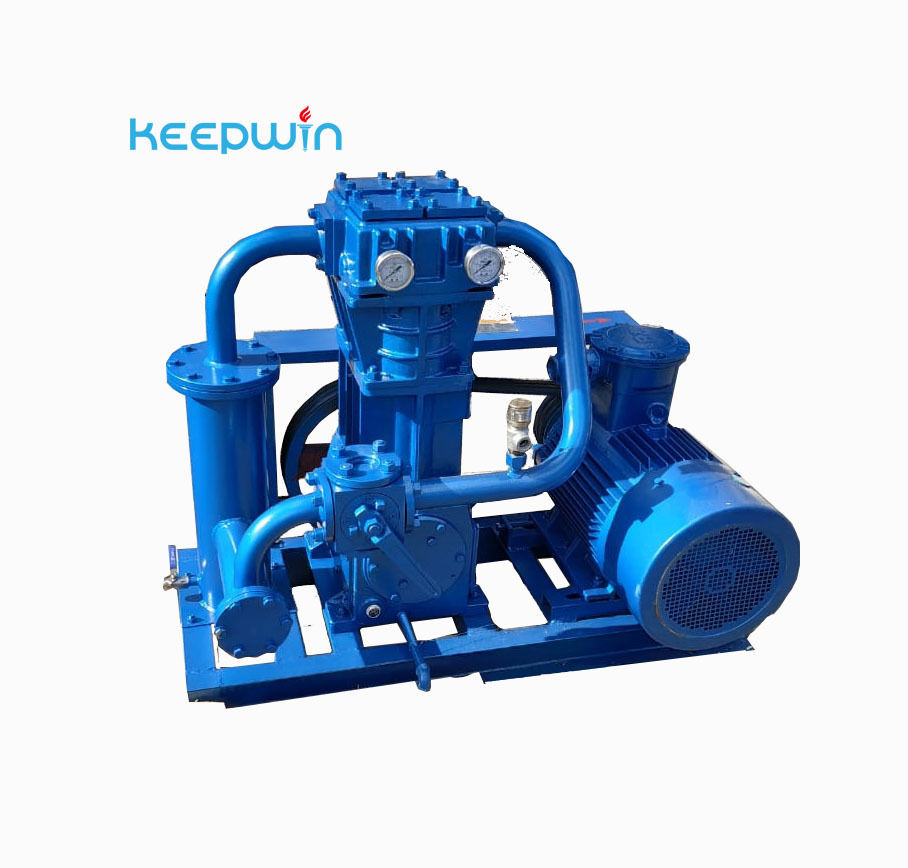
ZW-0.8/10-15 Butane gas Butene Propane compressor LPG gas compressor for liquid transportation About
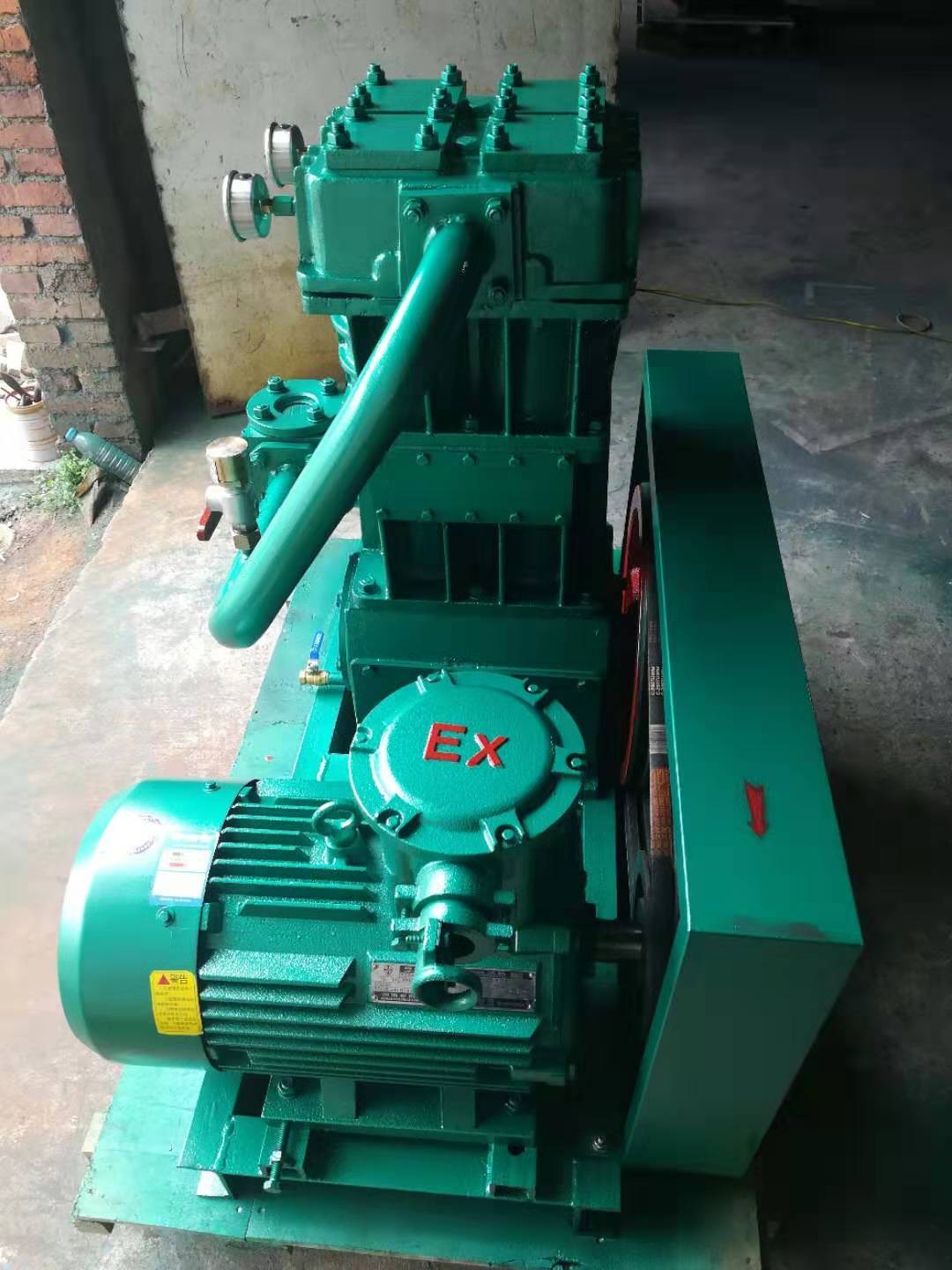
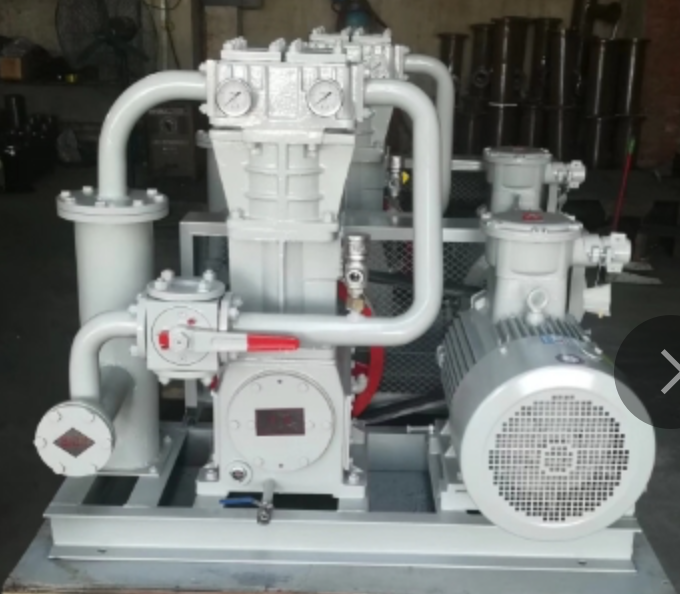
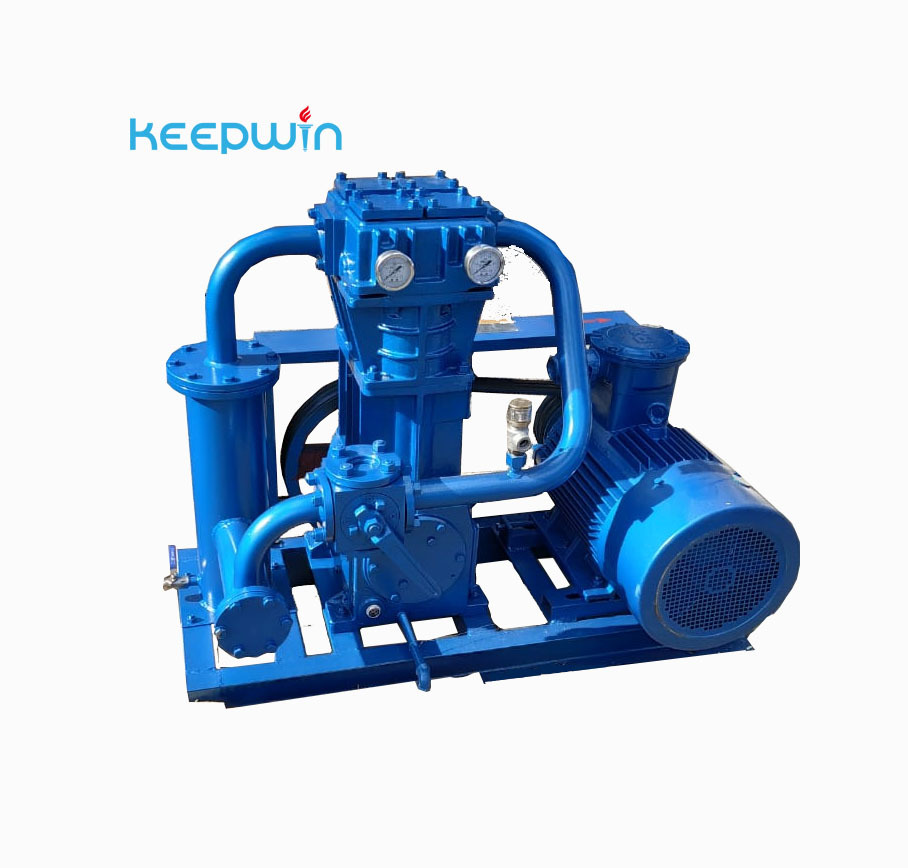
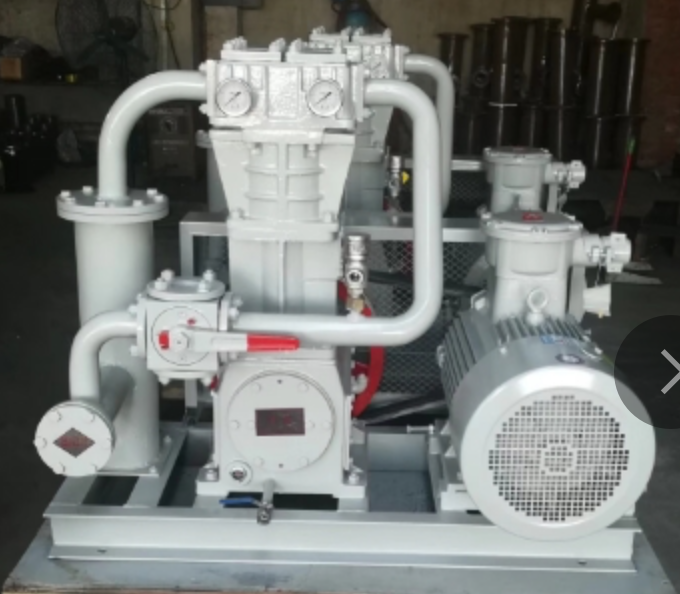
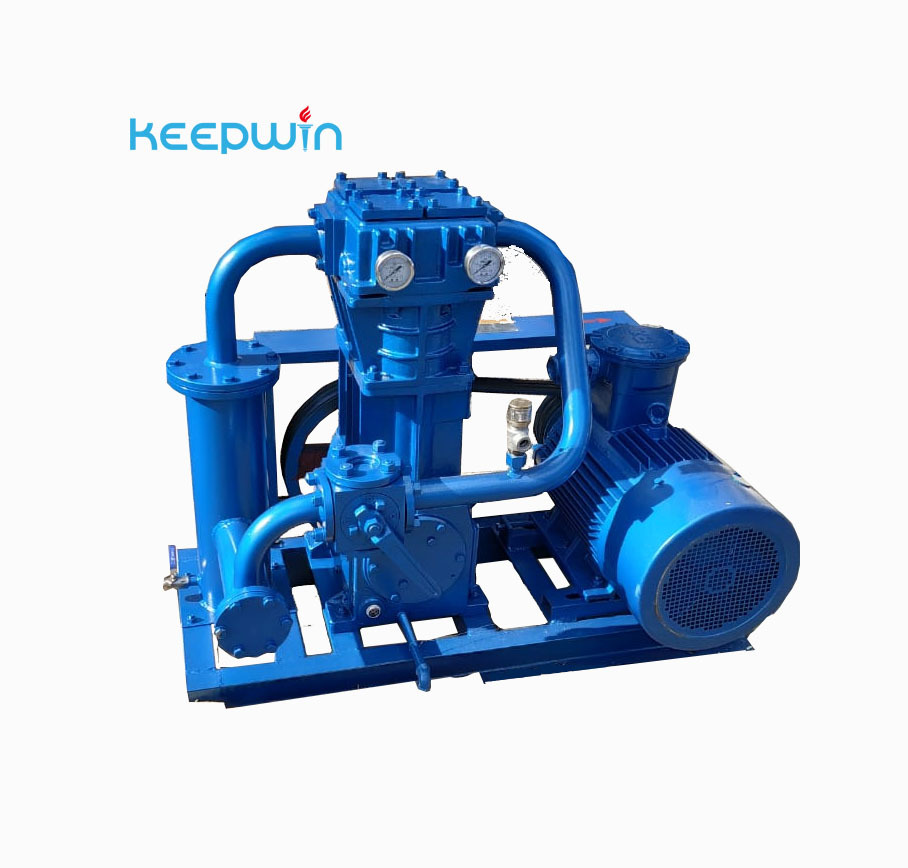
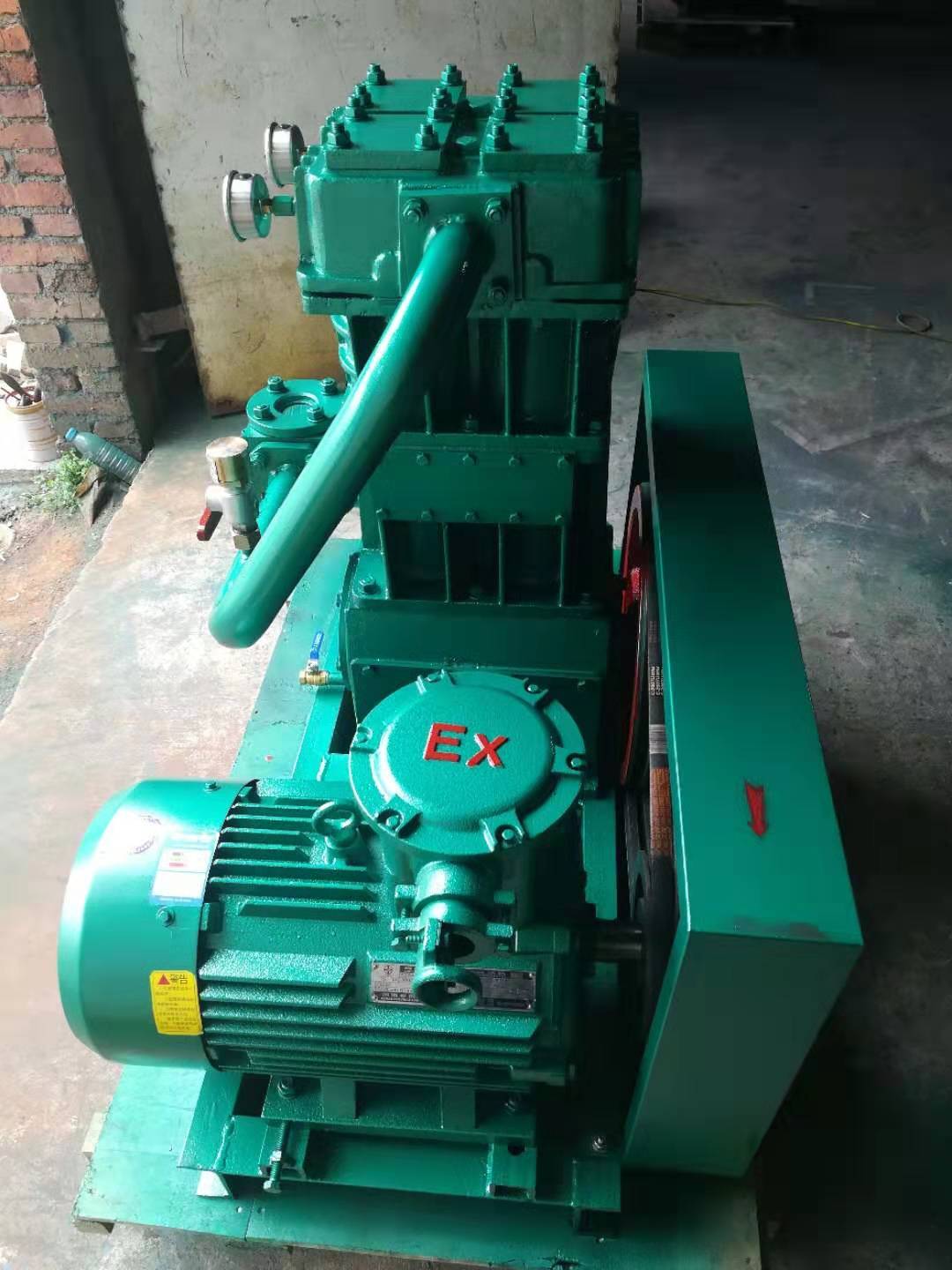
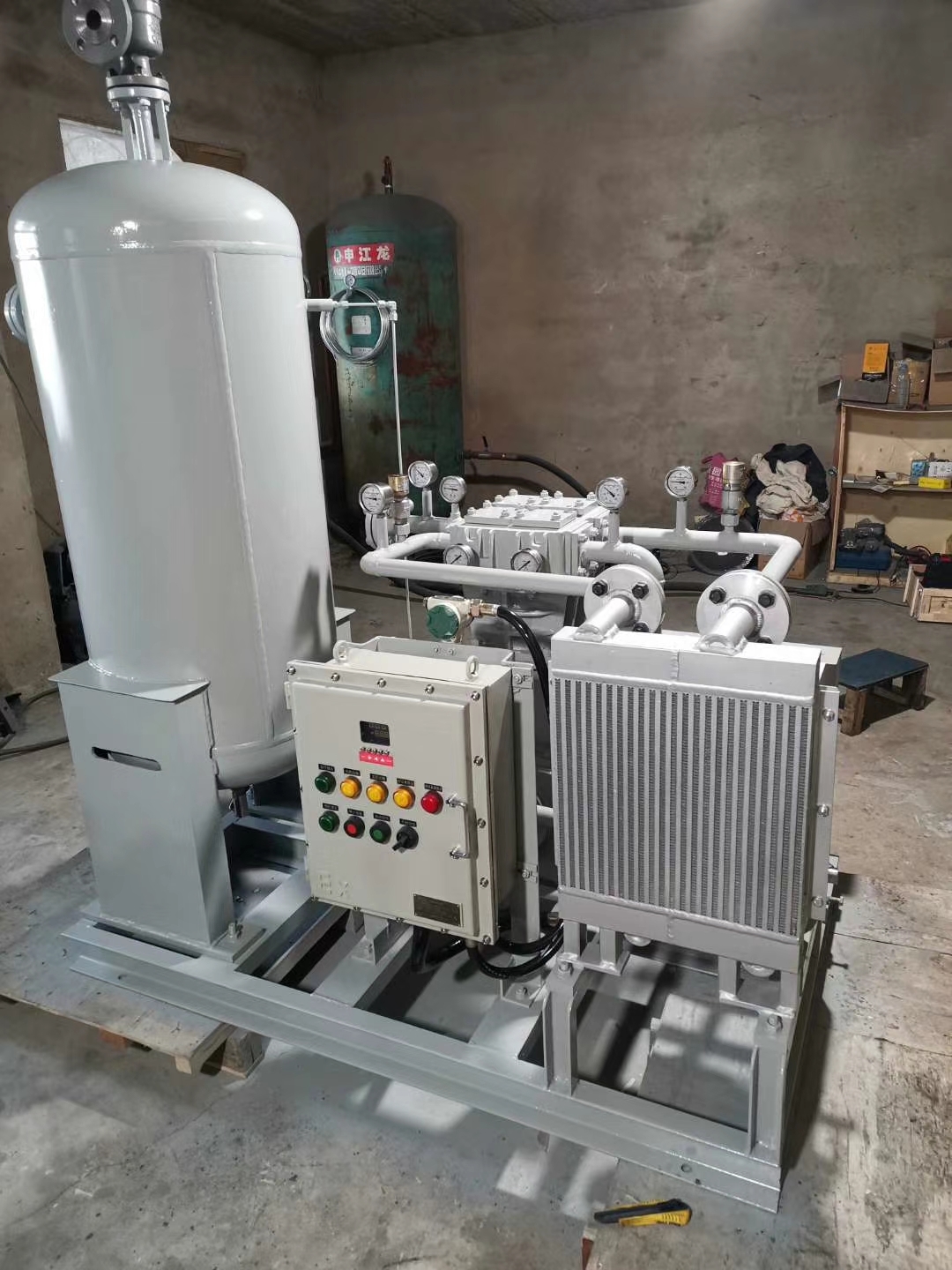
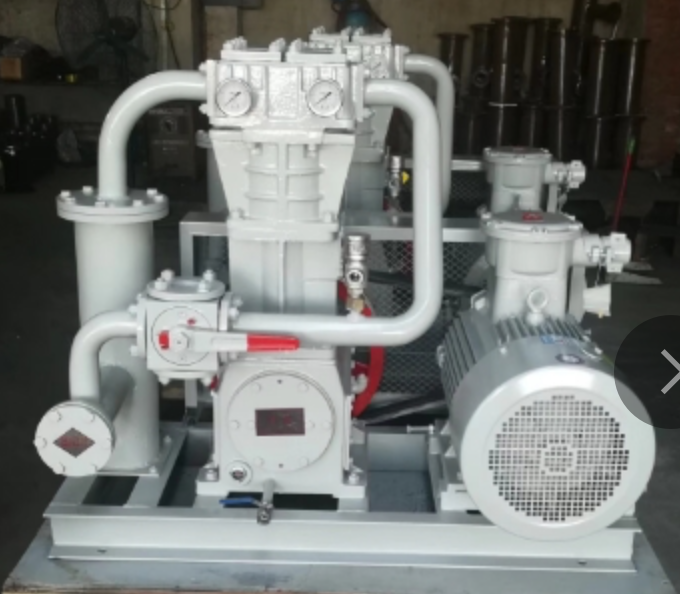
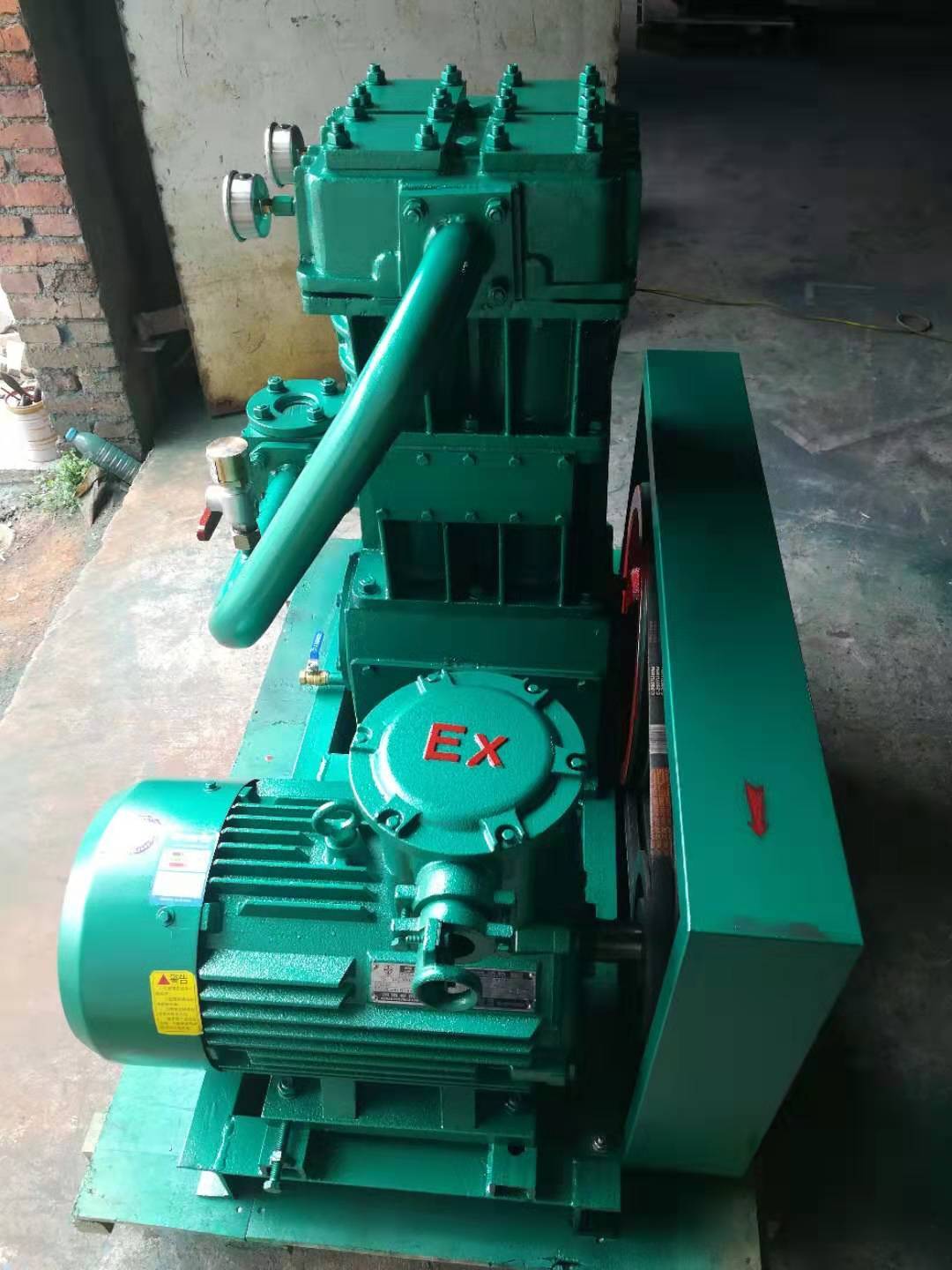
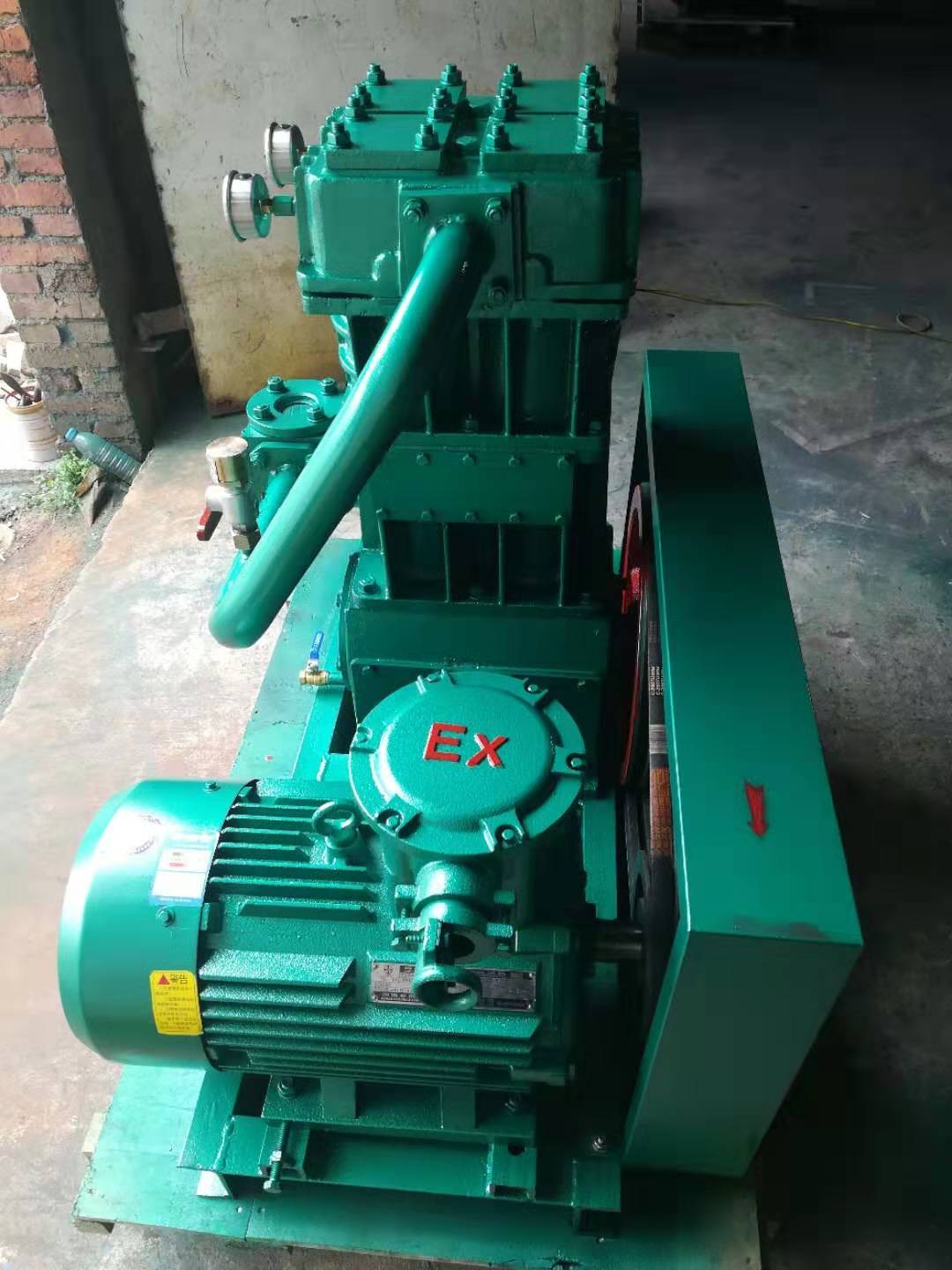
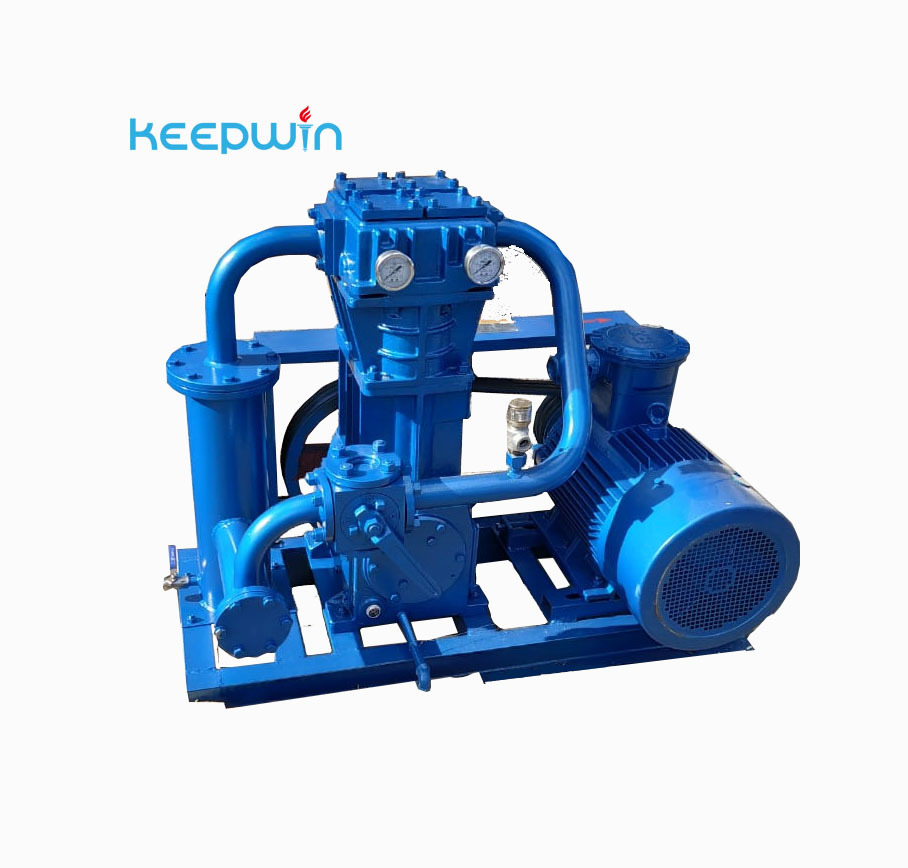
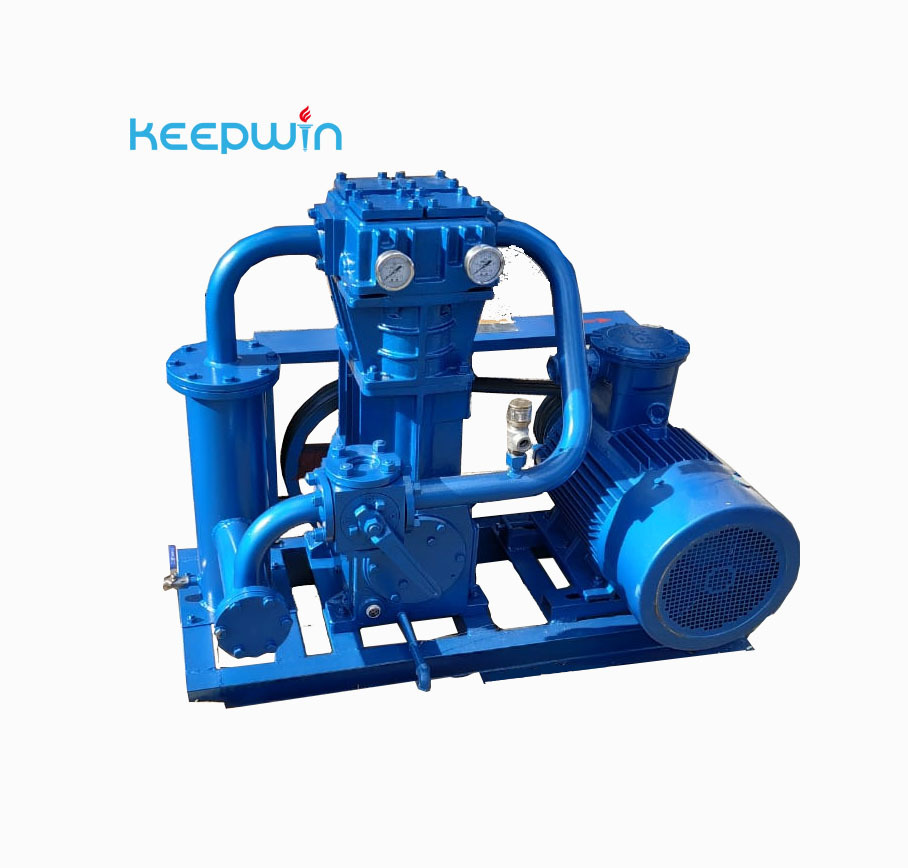
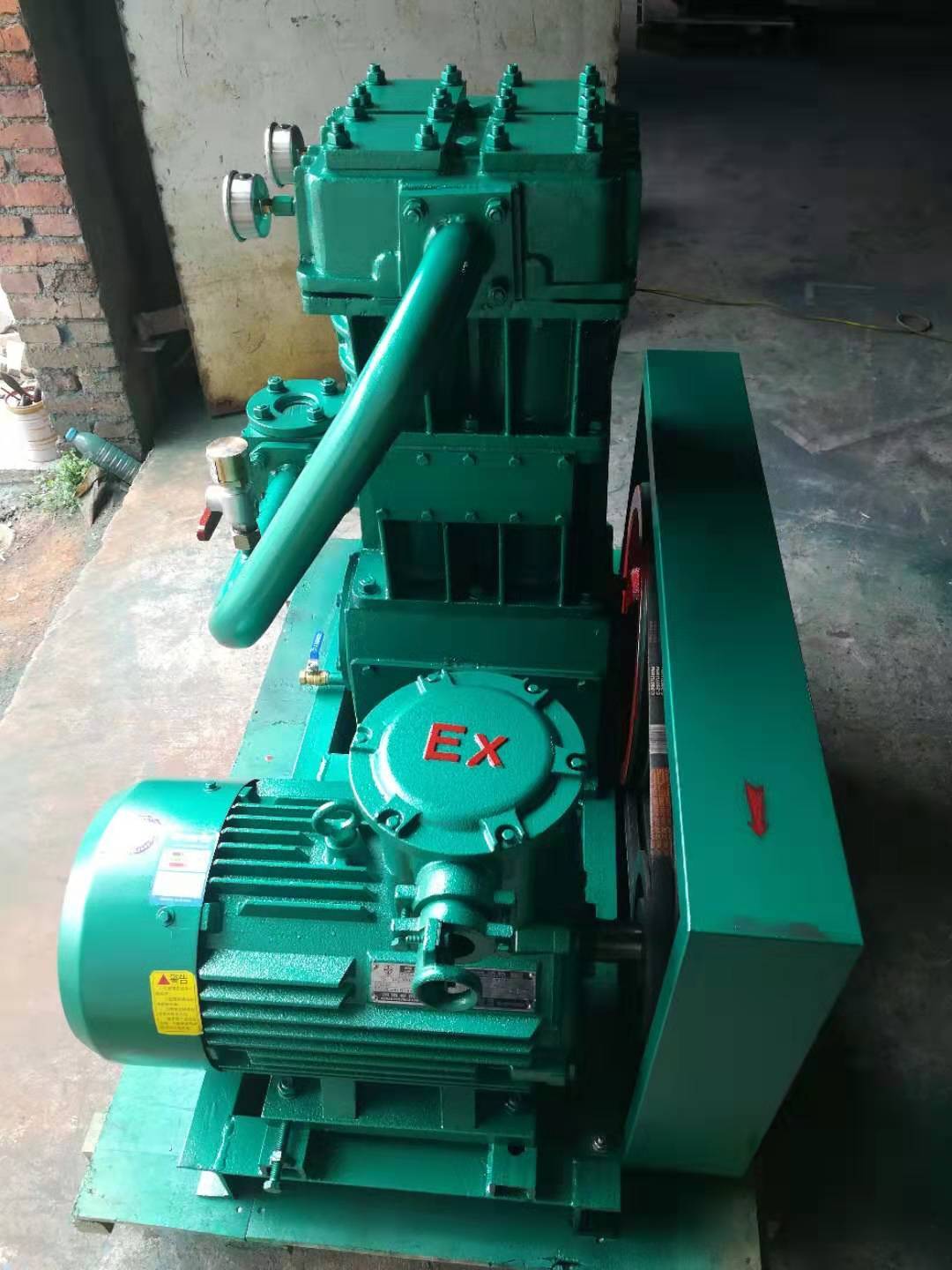
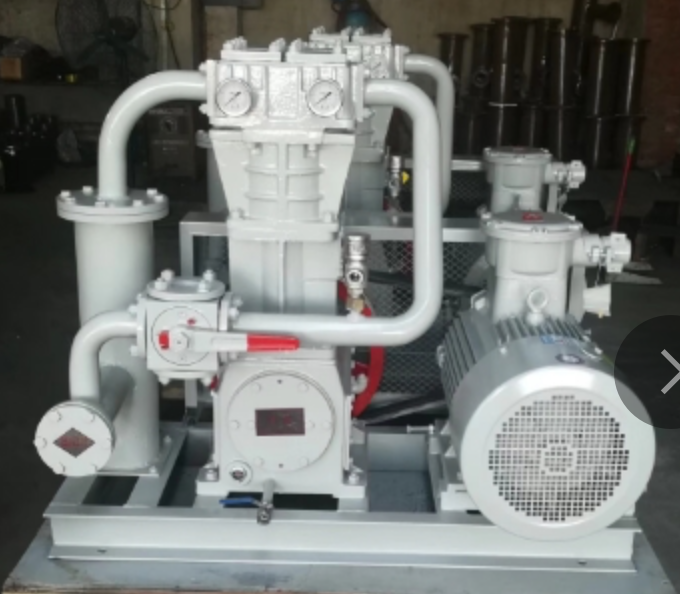
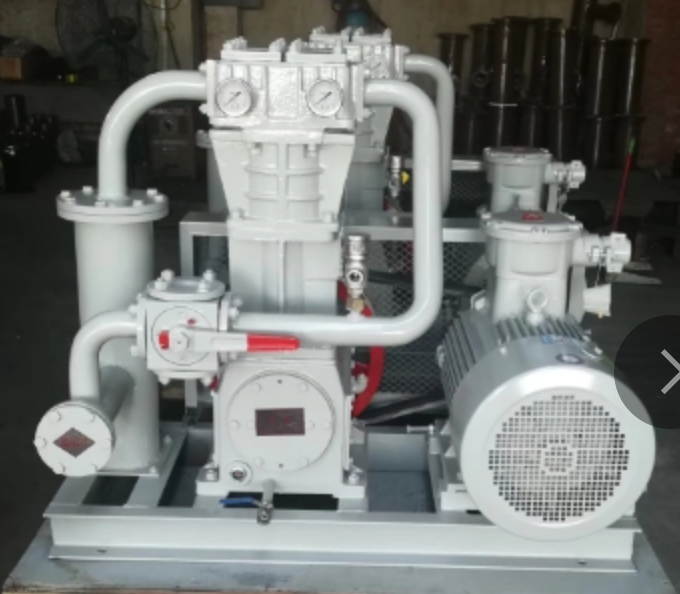
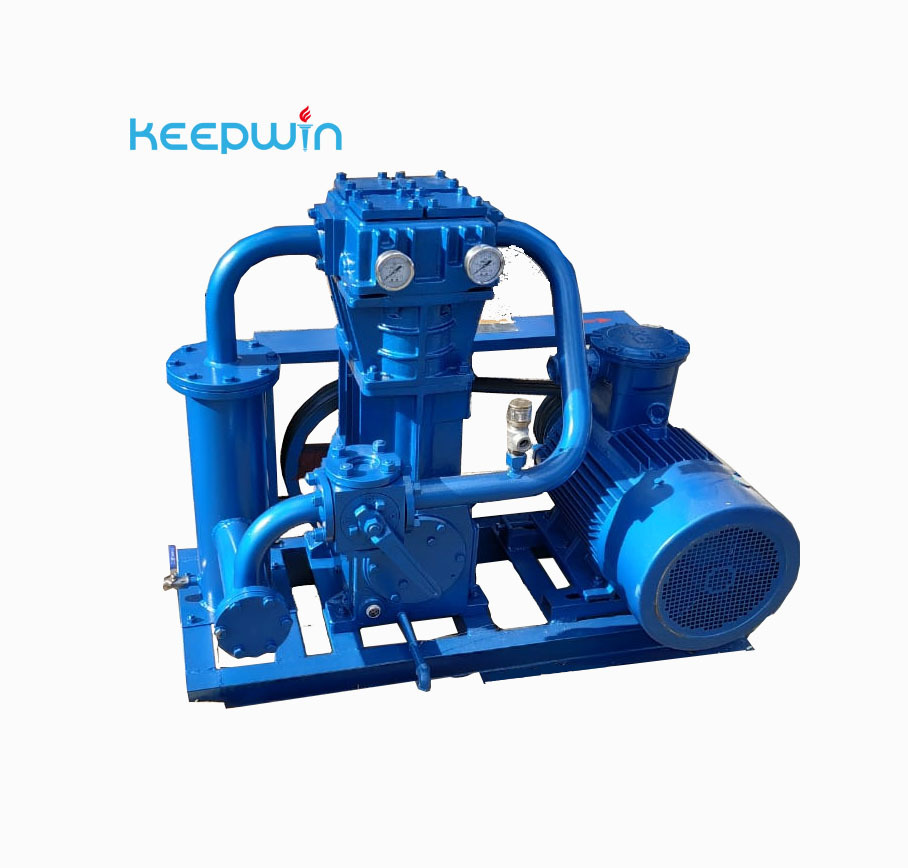
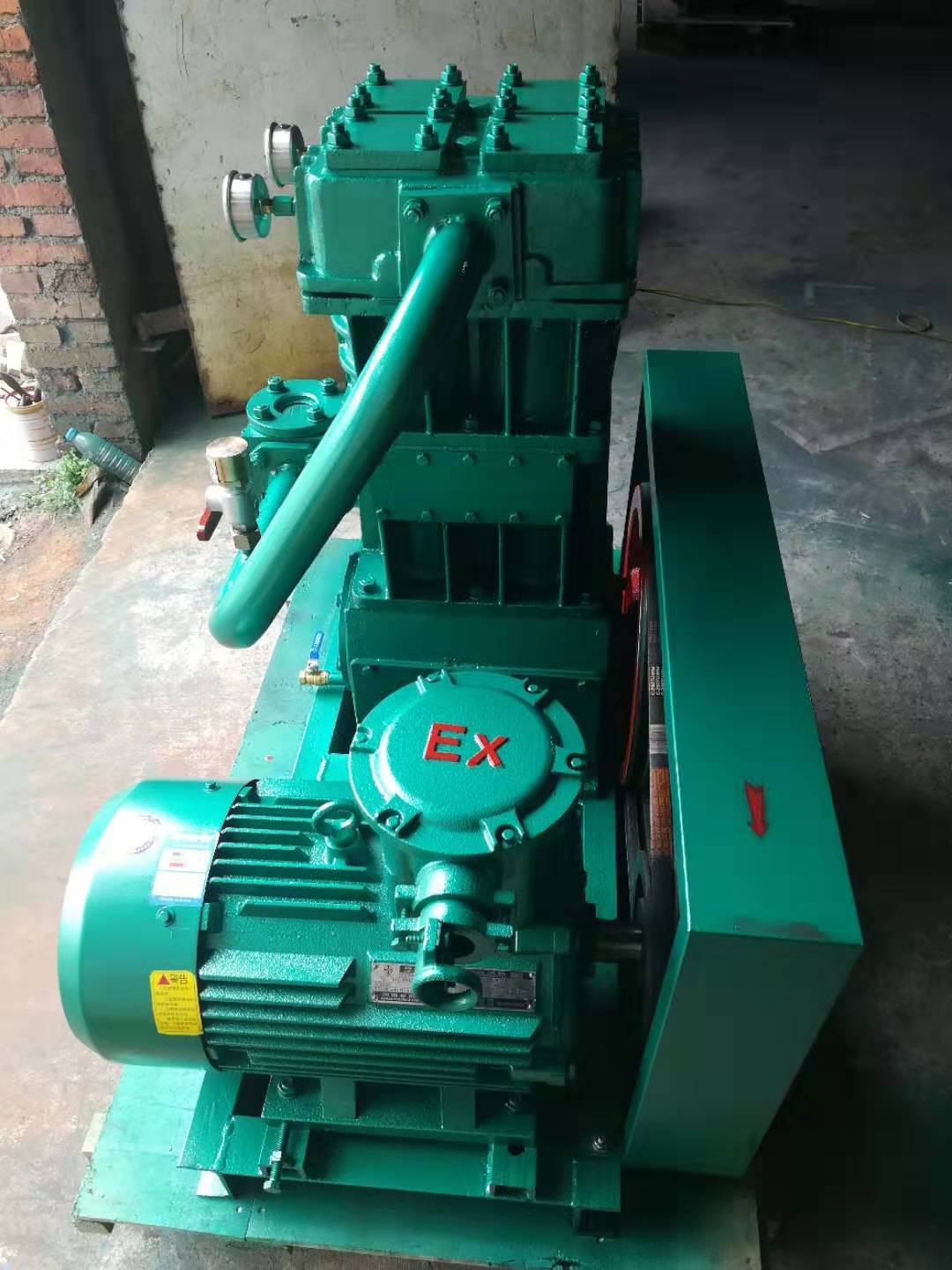
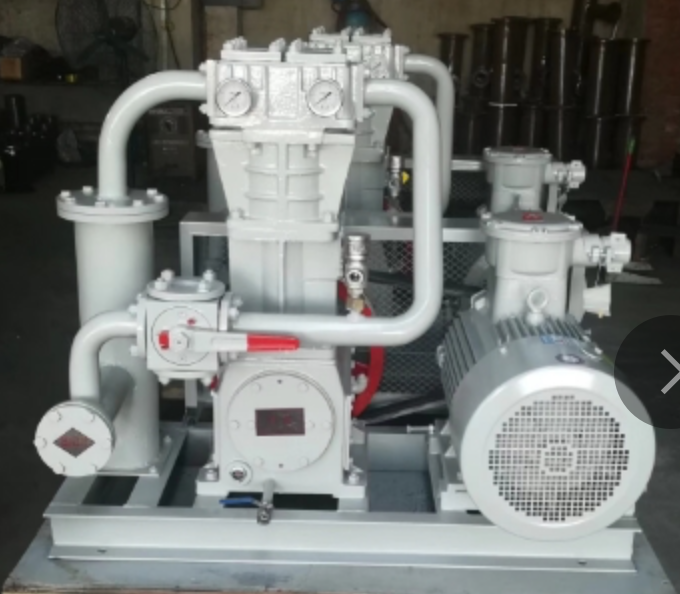
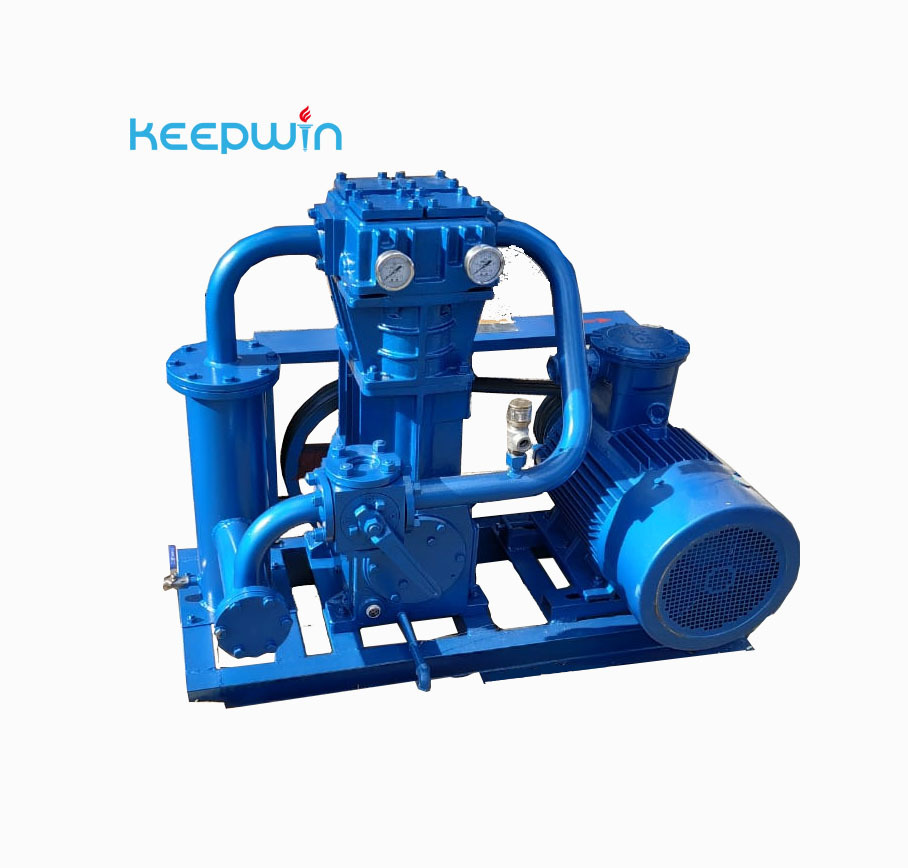
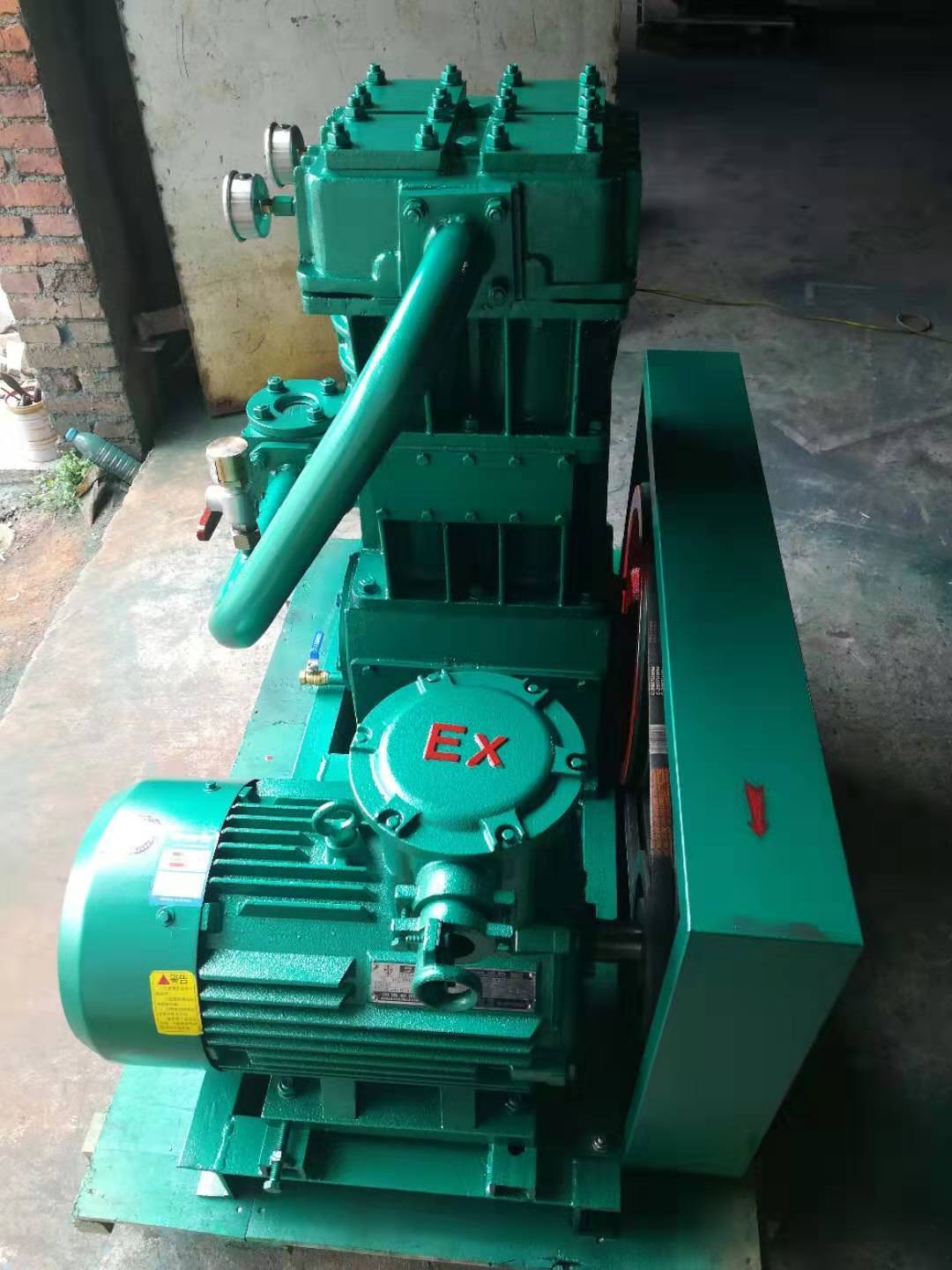
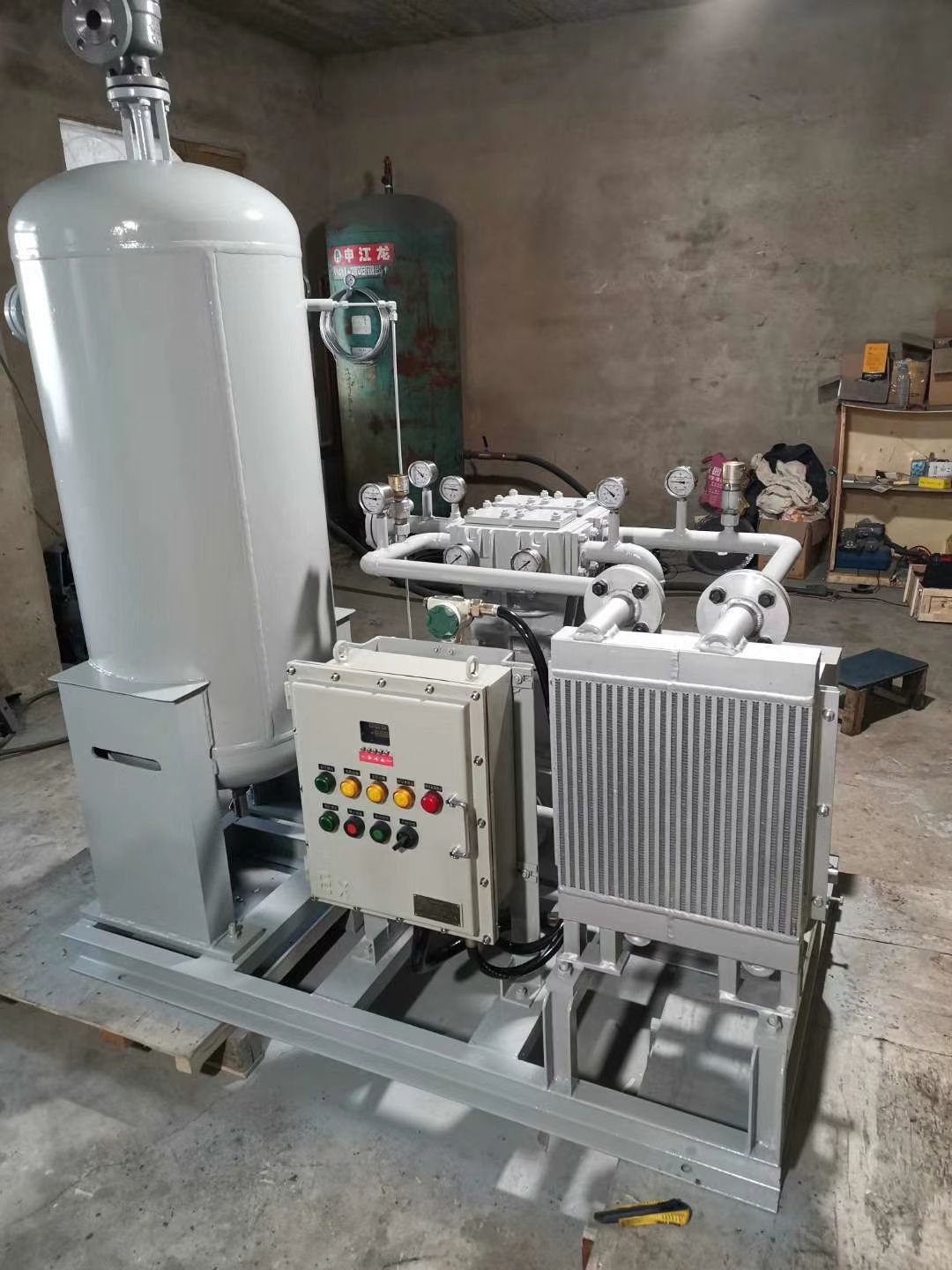
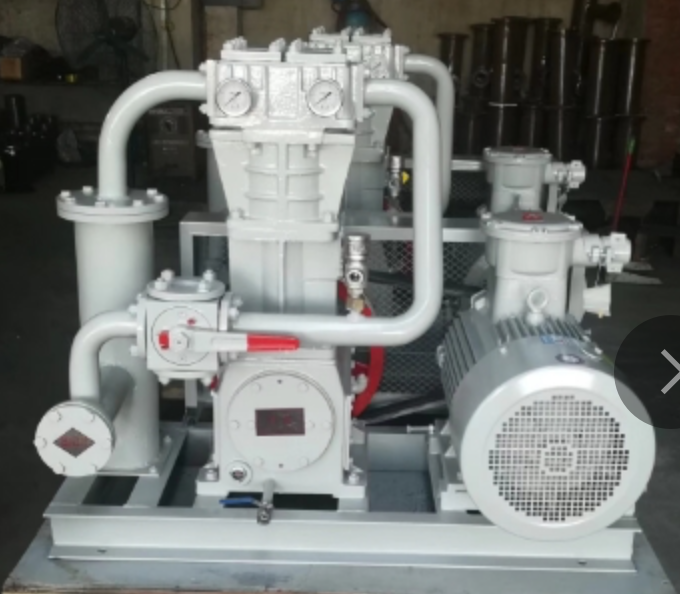
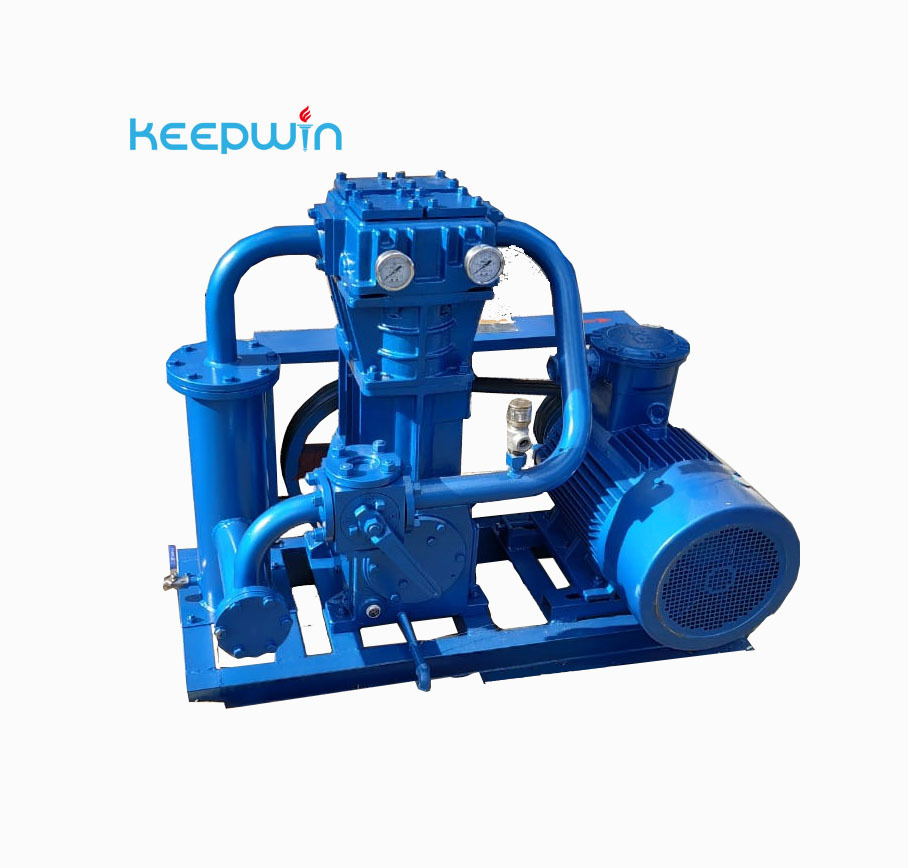
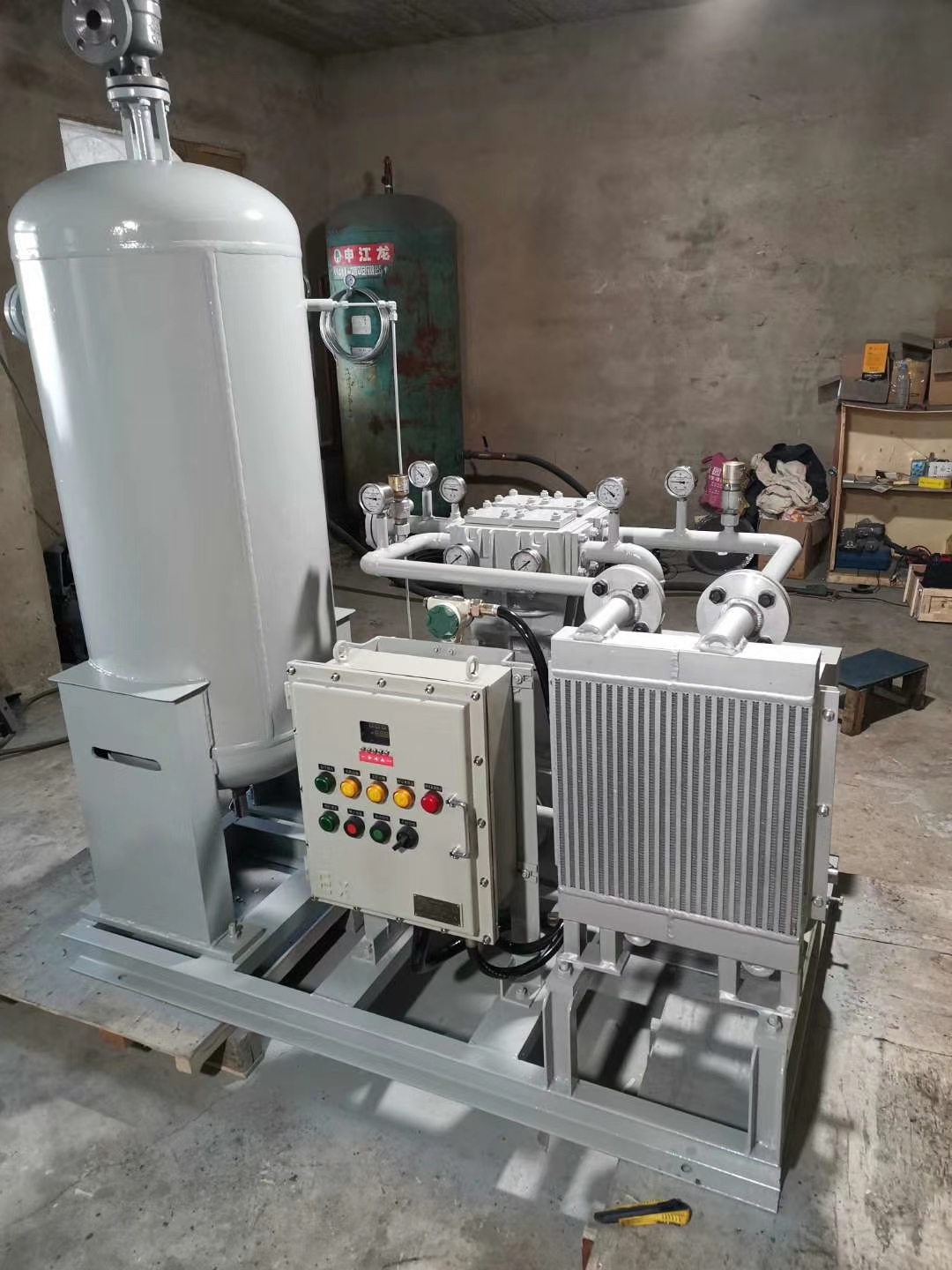
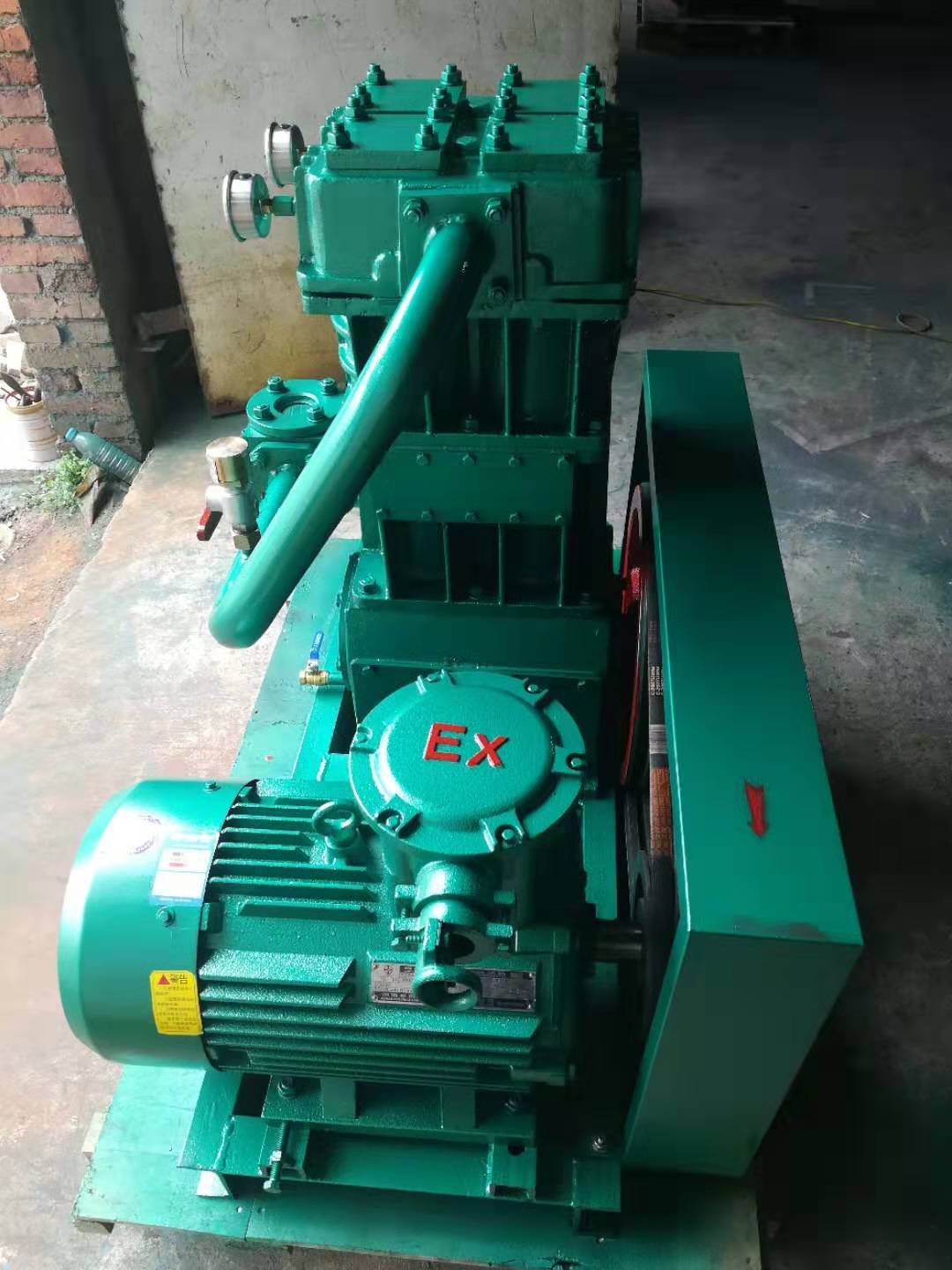
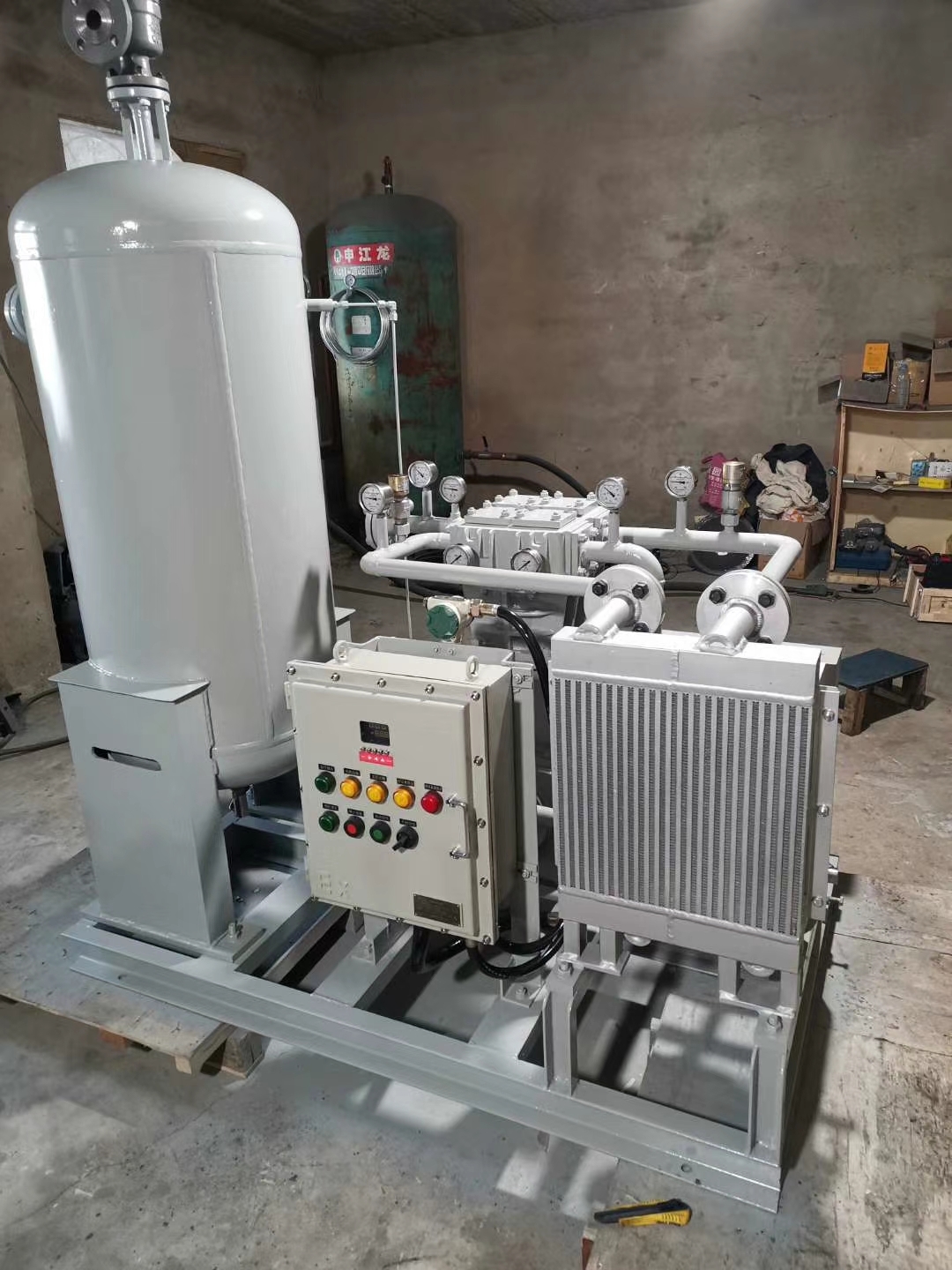
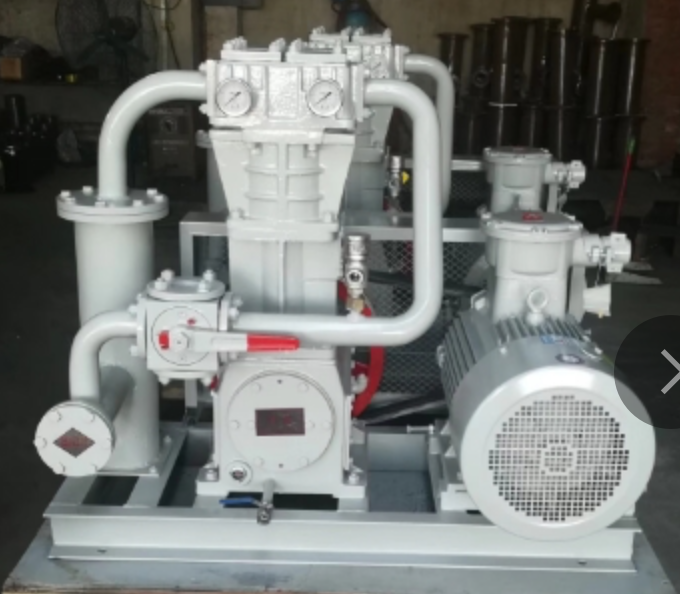
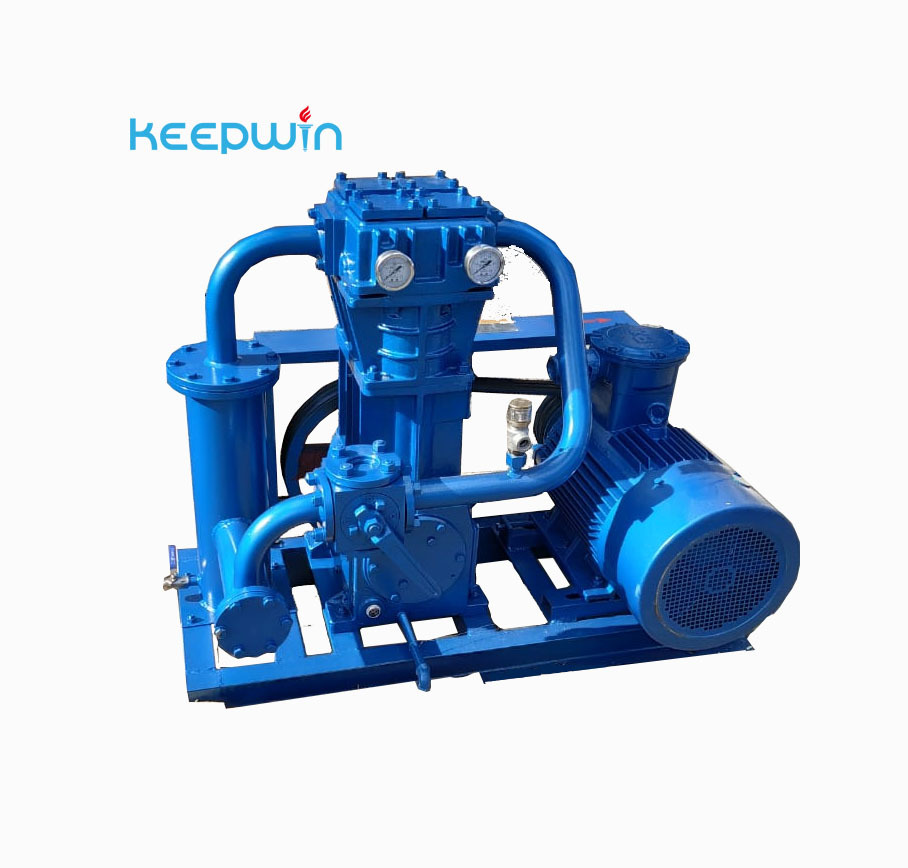
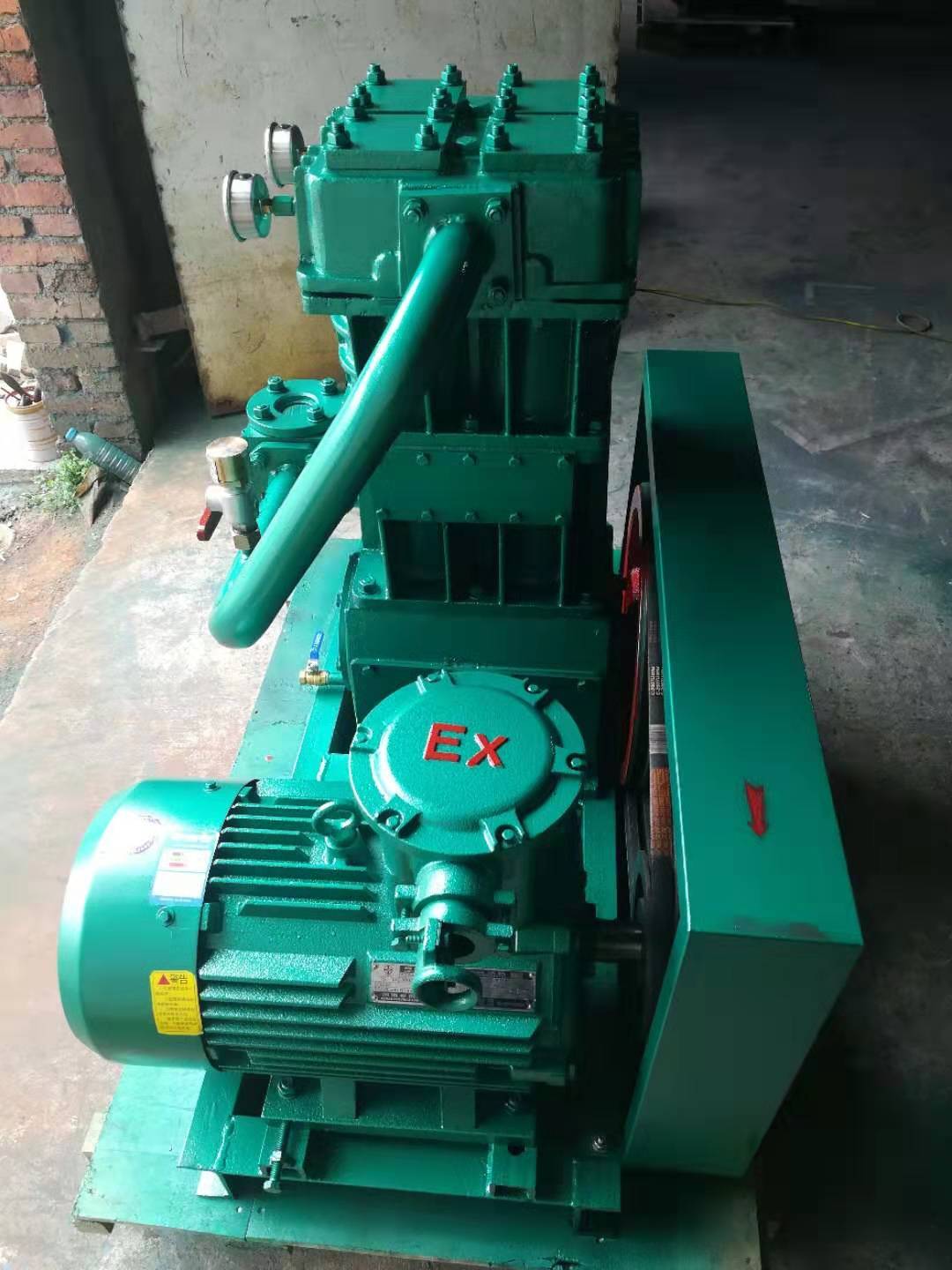
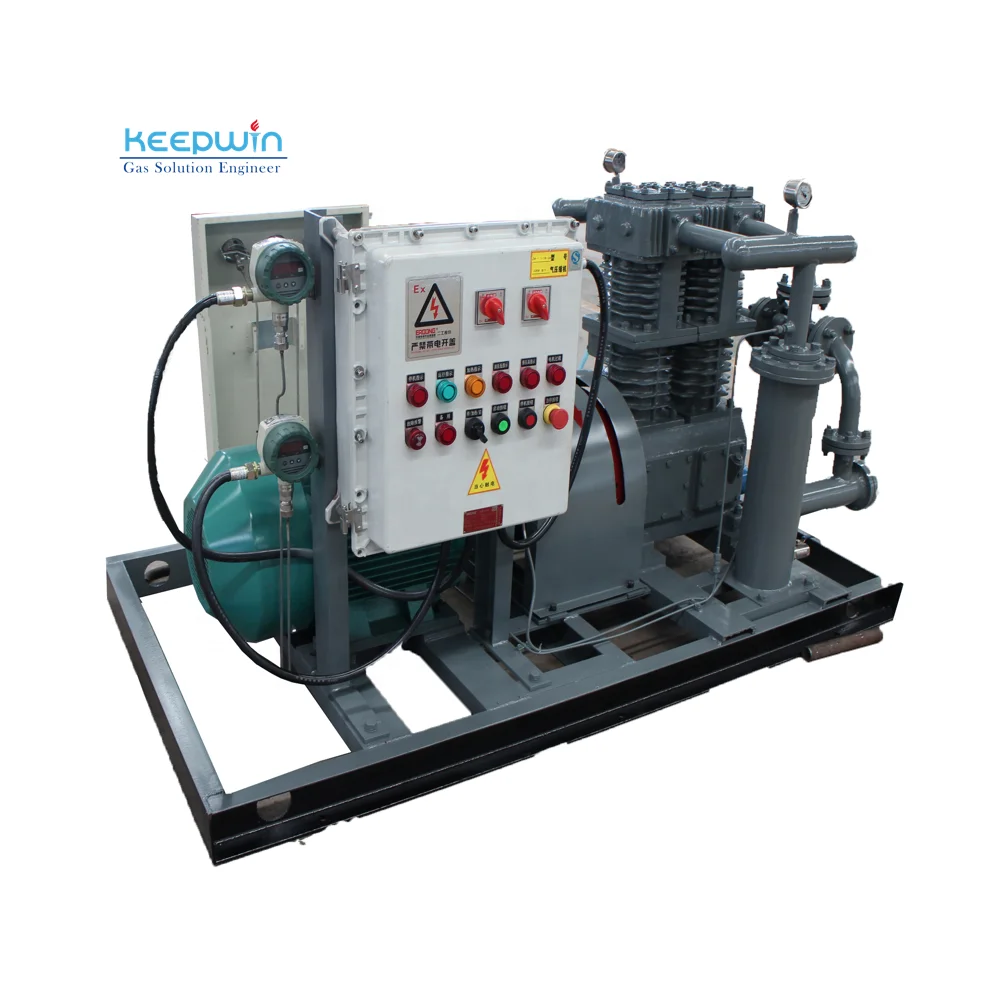
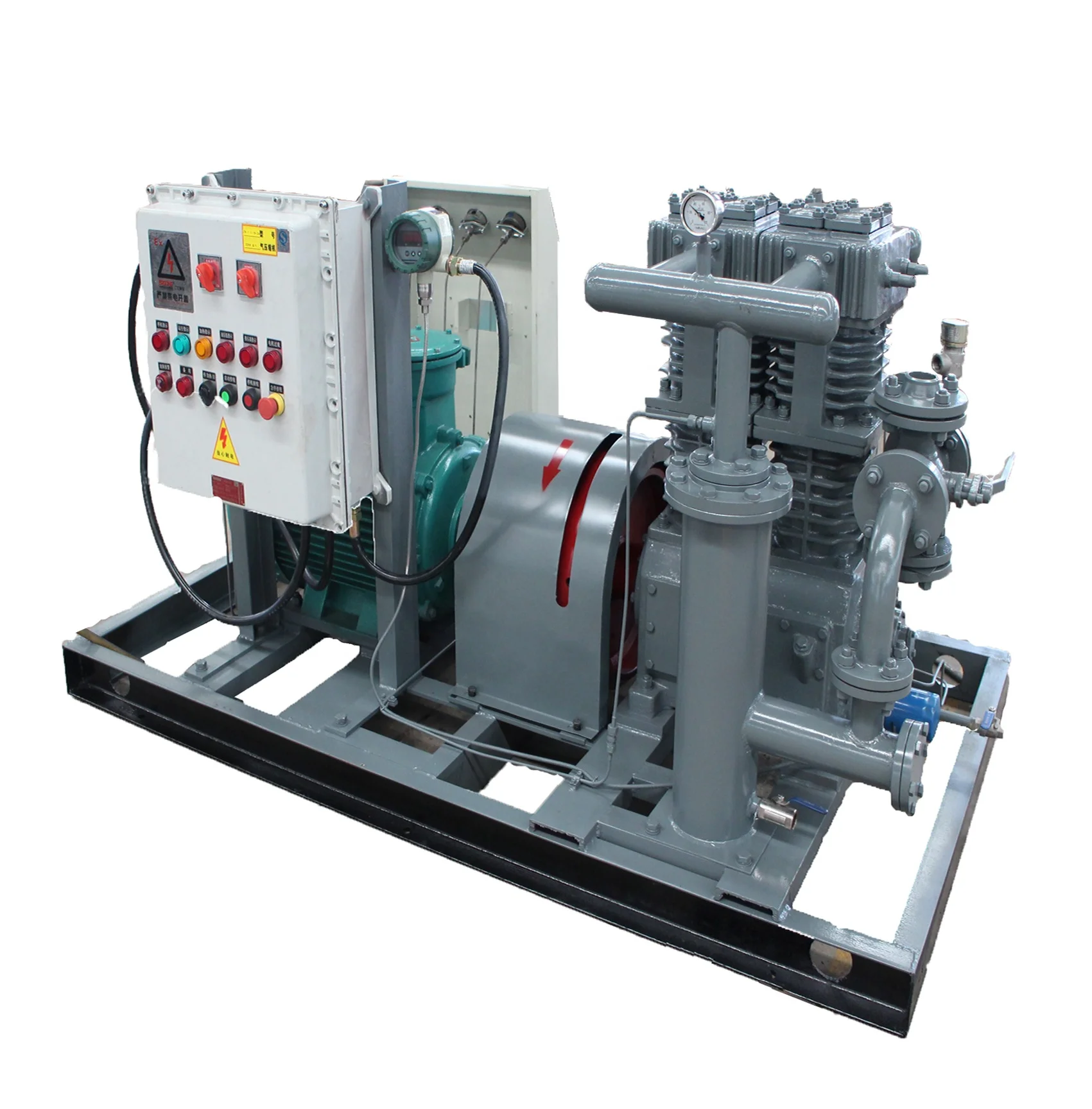
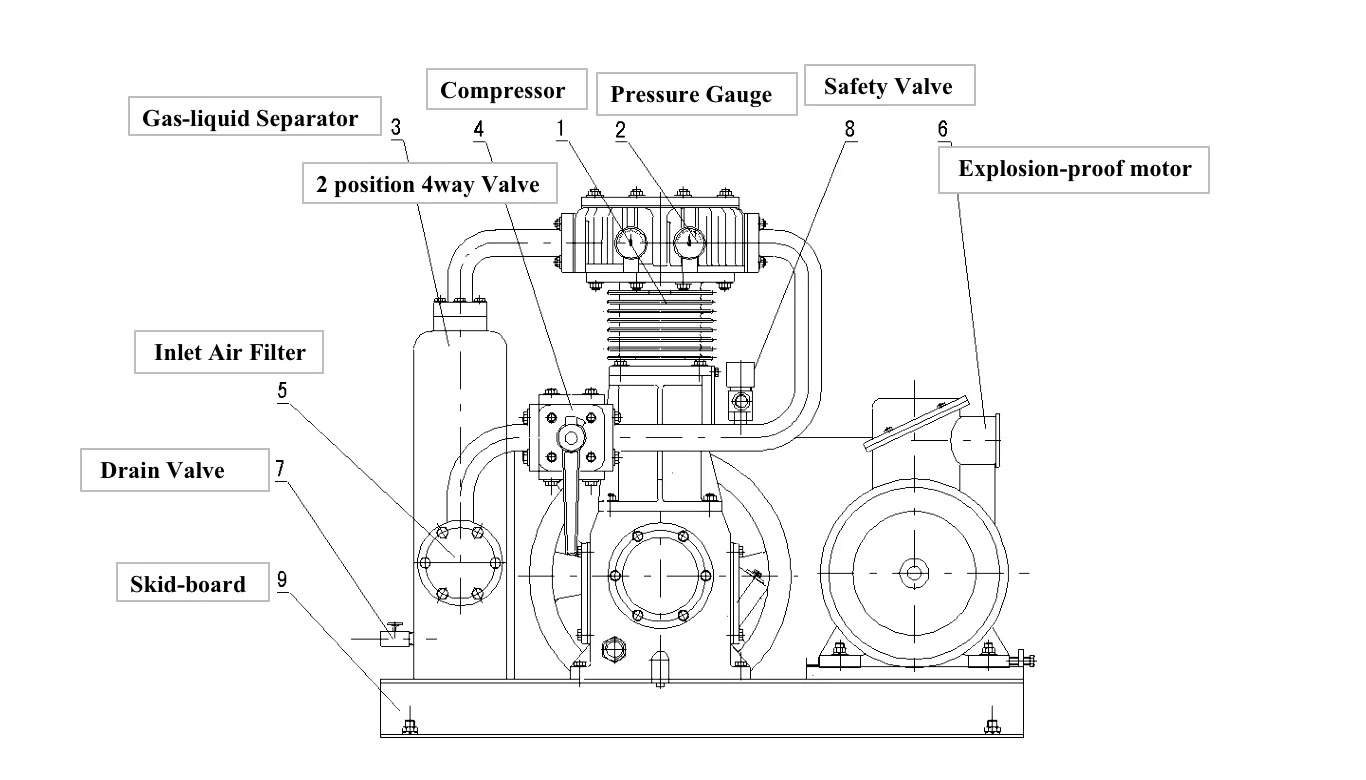
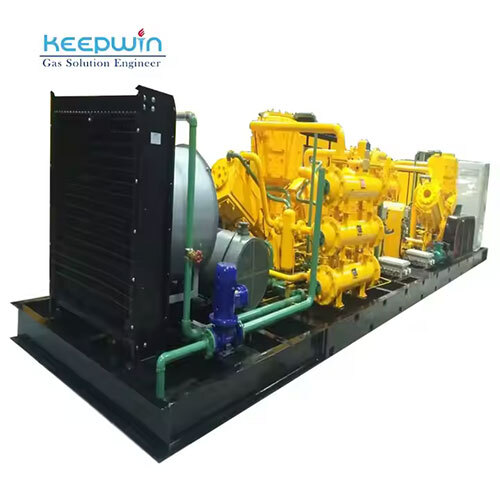
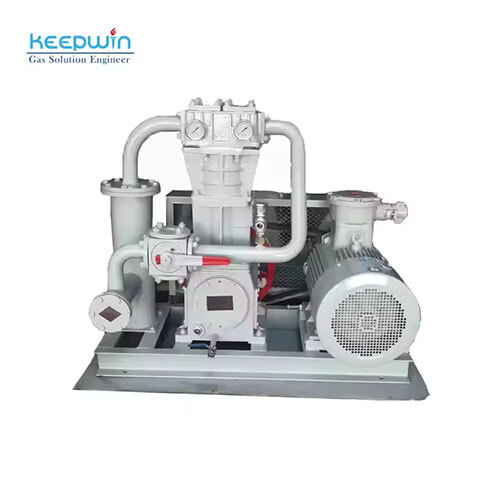
ZW series Oil-Free LPG Gas Compressor, it has many functions, small volume, lightweight, small power, stable and reliable operation, and has good safety performance. It can transport highly volatile liquid such as liquefied petroleum gas and recover the gas left in the tank. Due to the unique oil-free lubrication design, there is no need for oil lubrication in the cylinder, so it will not pollute the medium (ensure the purity of gas) and keep the transported substances pure.
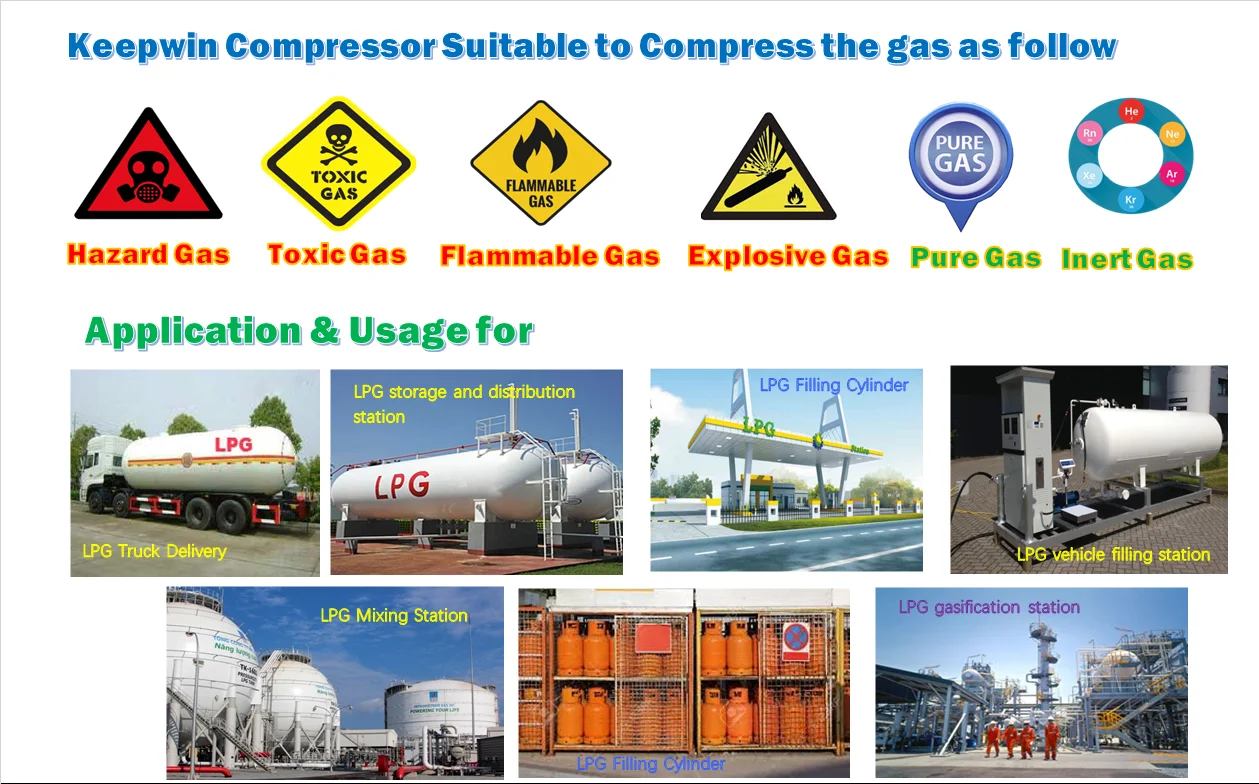

Main purpose and scope of application
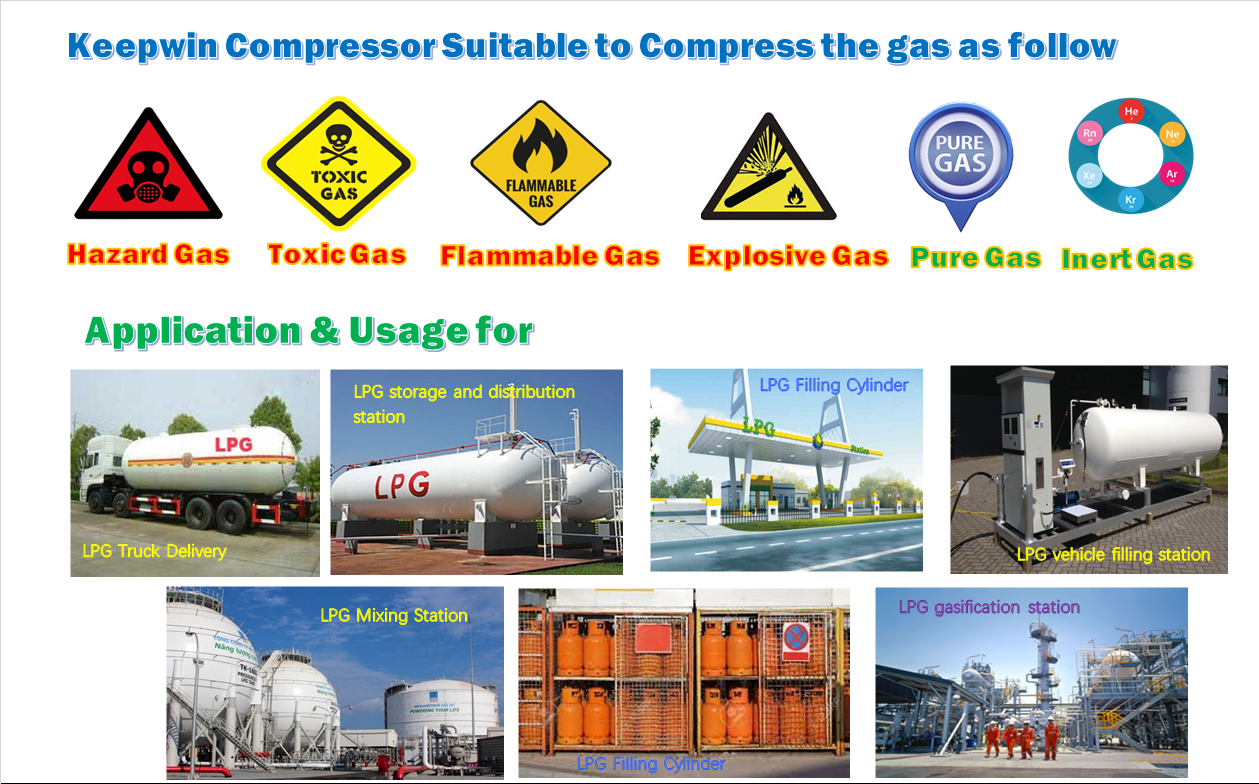
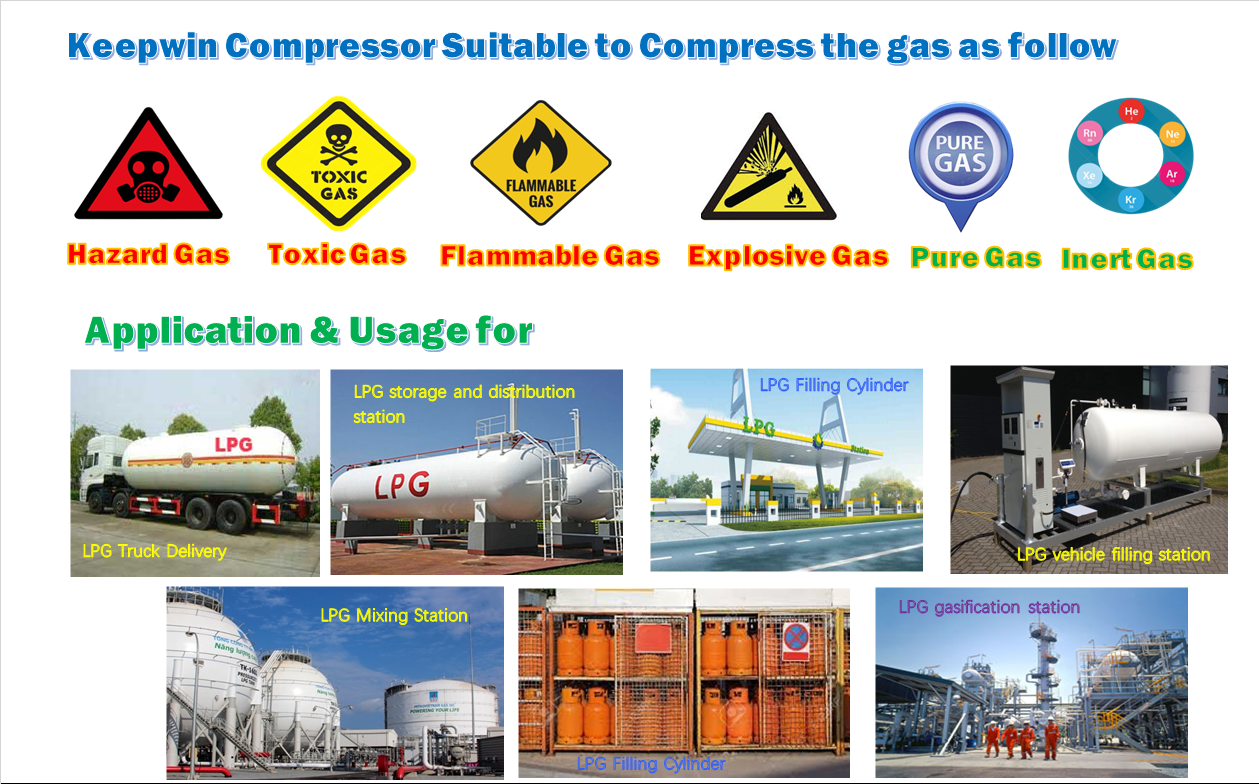
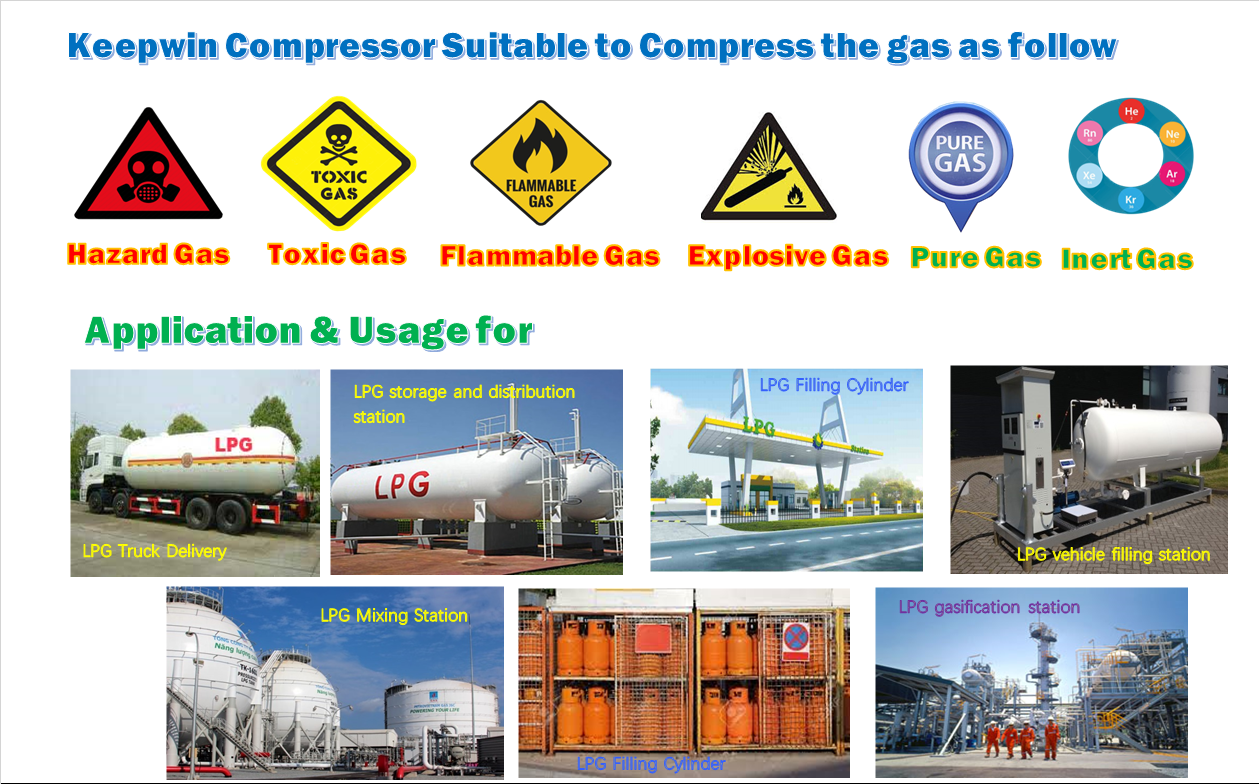
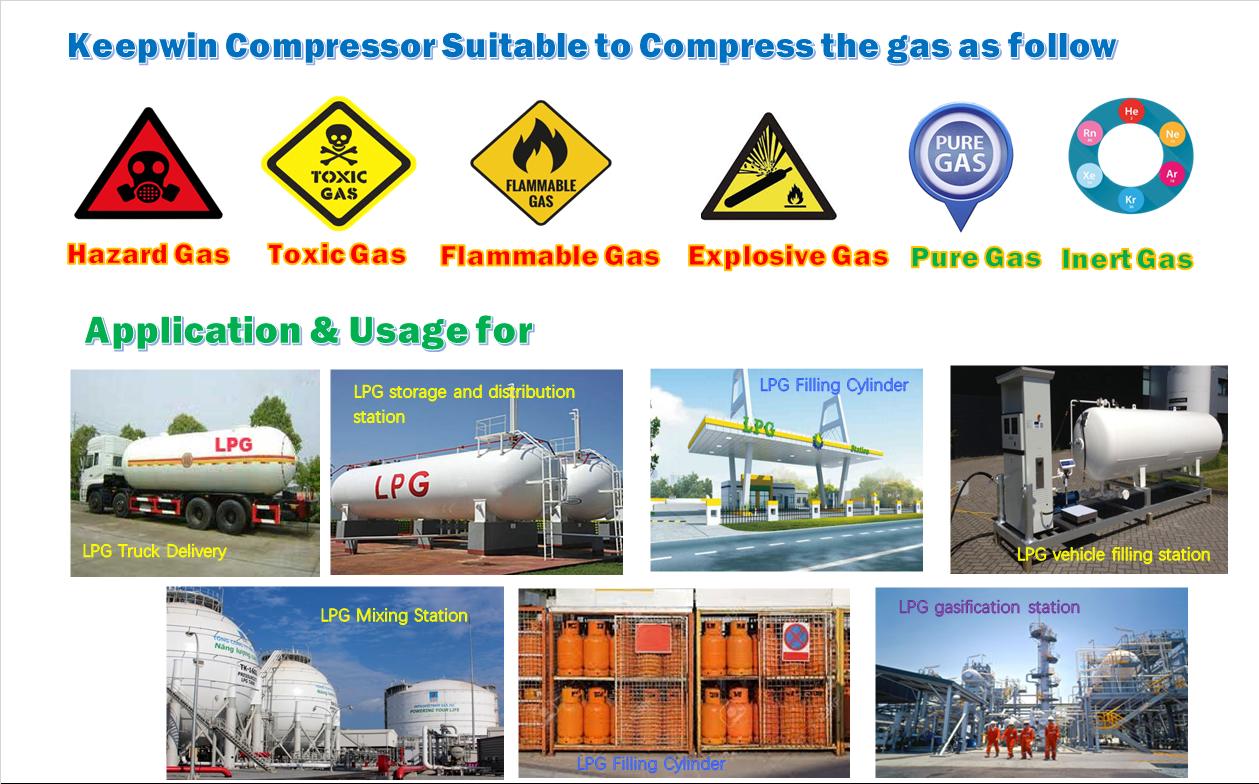
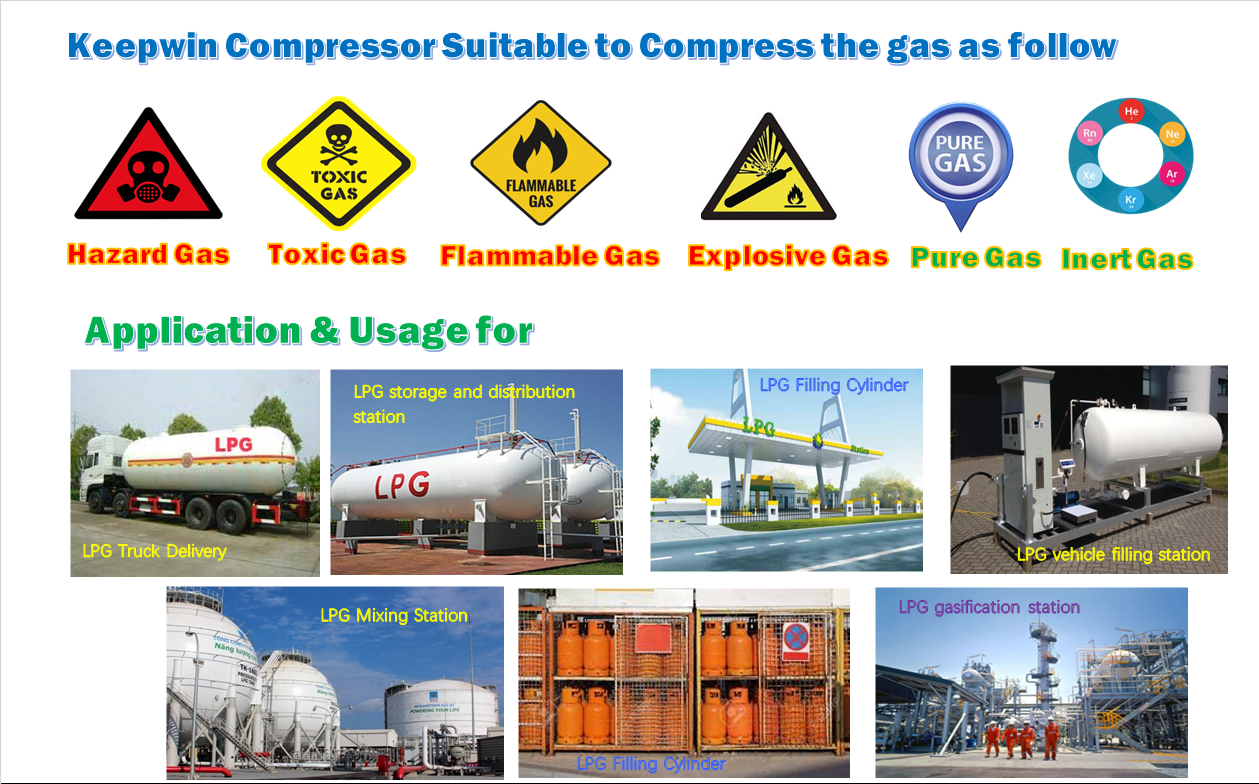
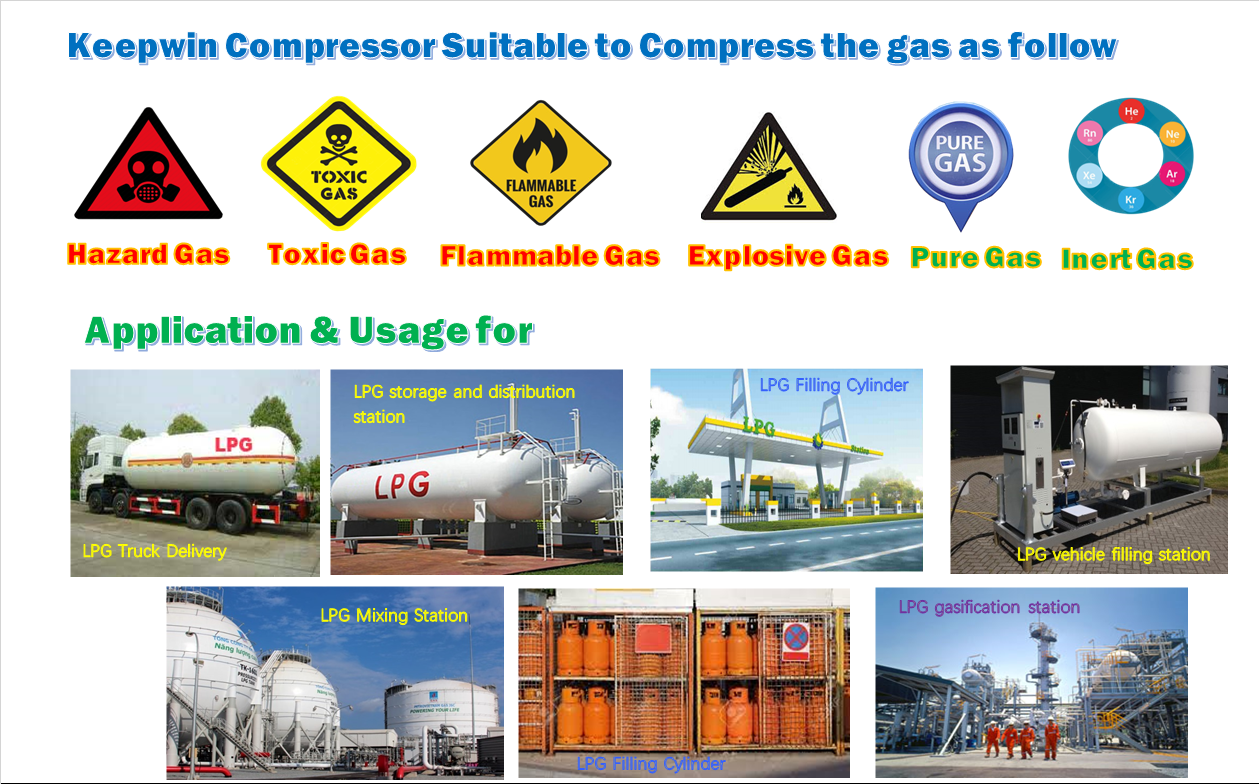
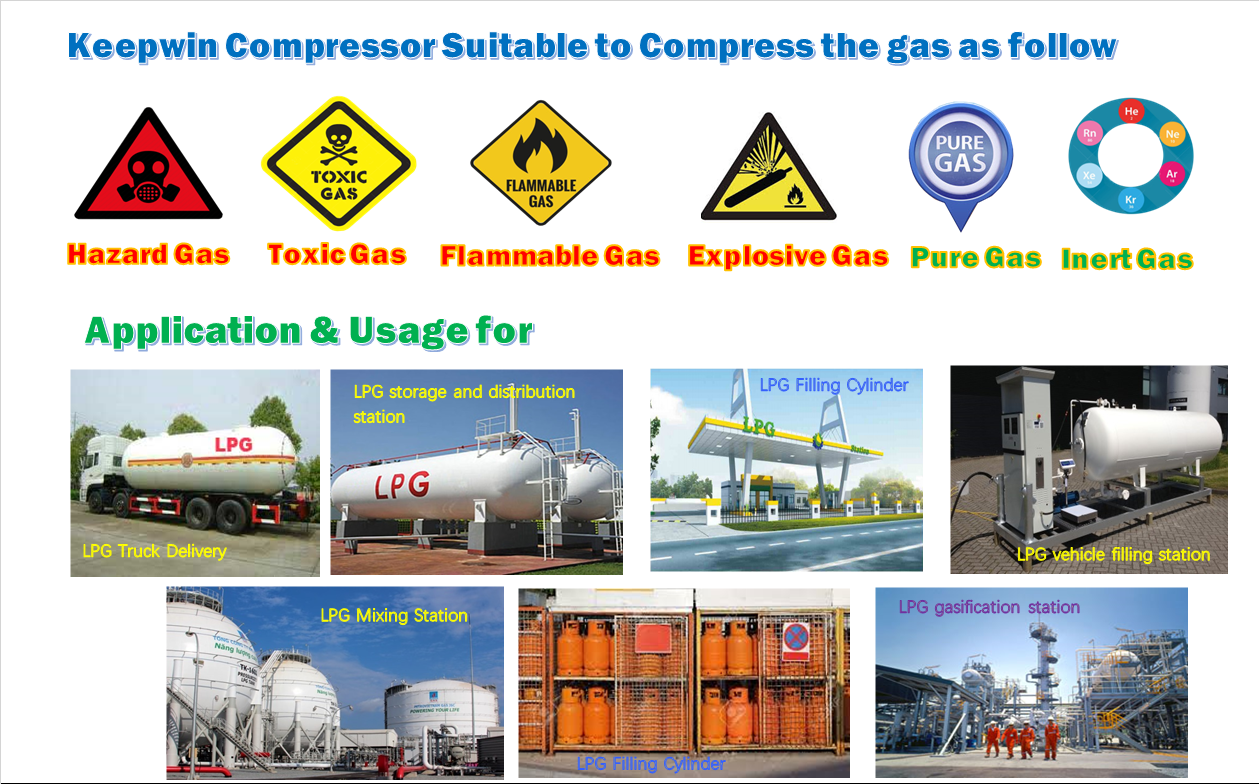
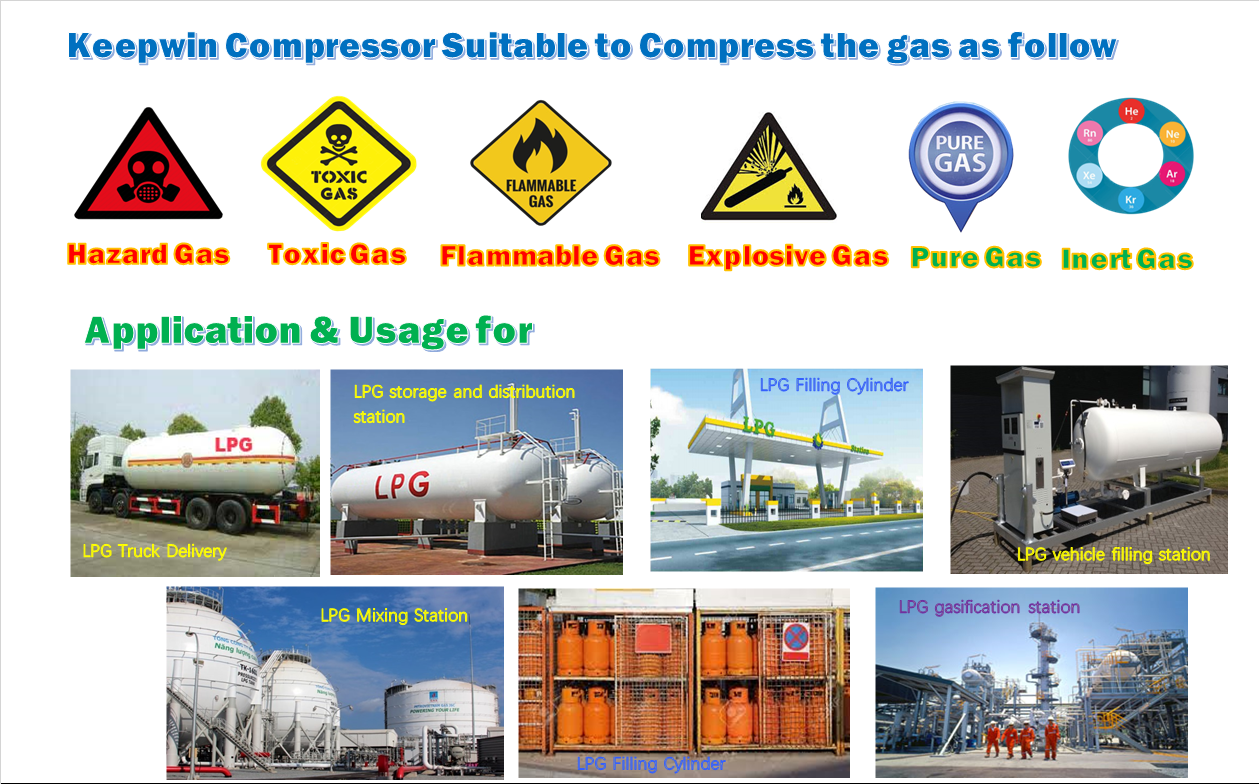
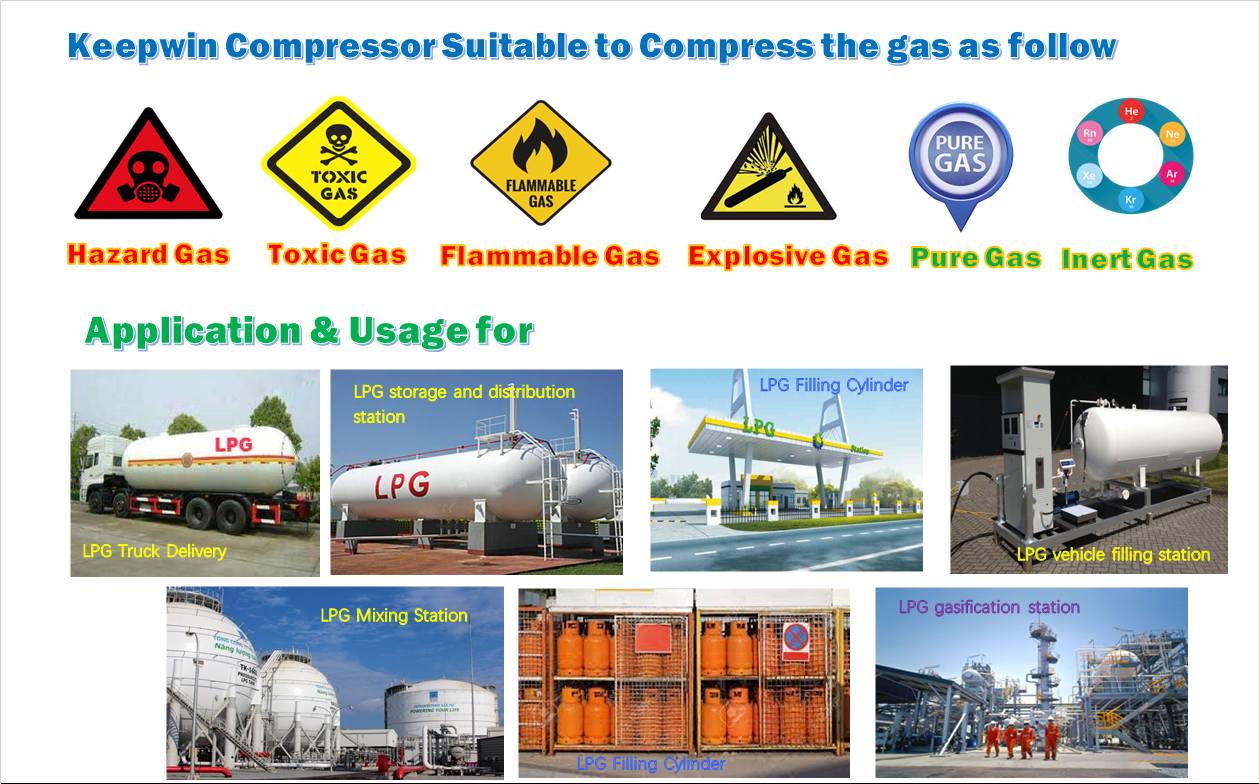
This series of compressors are mainly used for loading, unloading, tank pouring, residual gas recovery, tank loading, residual liquid recovery and other operations of LPG. They are ideal equipment for liquid transportation and gas recovery. Therefore, it is widely used in LPG storage and distribution station, gas mixing station, gasification station, tank plant, automobile filling station, etc., especially in large, medium and small LPG stations.
In addition, it is suitable for liquid transportation and residual gas recovery of propane, butane, butene and other volatile substances with low boiling point. Its variant products can be used for liquid transportation and gas recovery of propylene, liquid ammonia, etc.
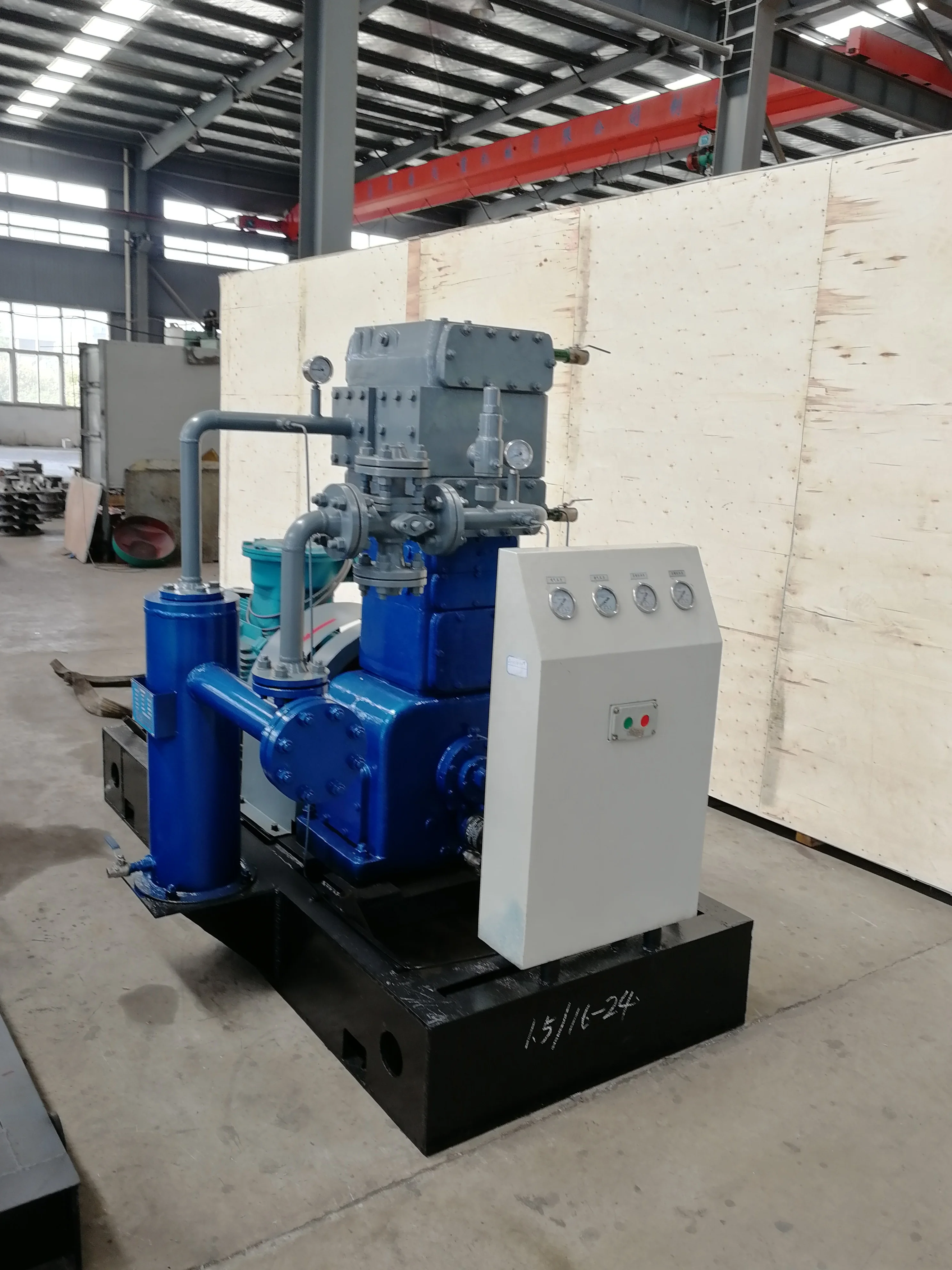
Packaging & Shipping
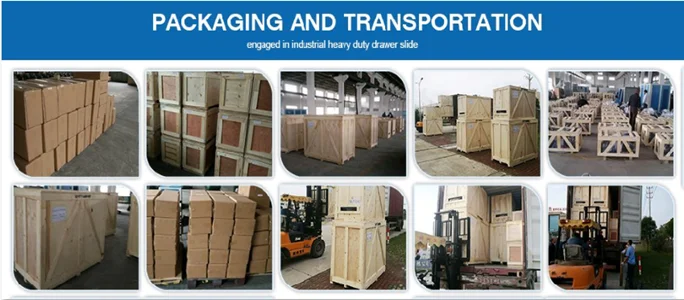
Why Choose Us
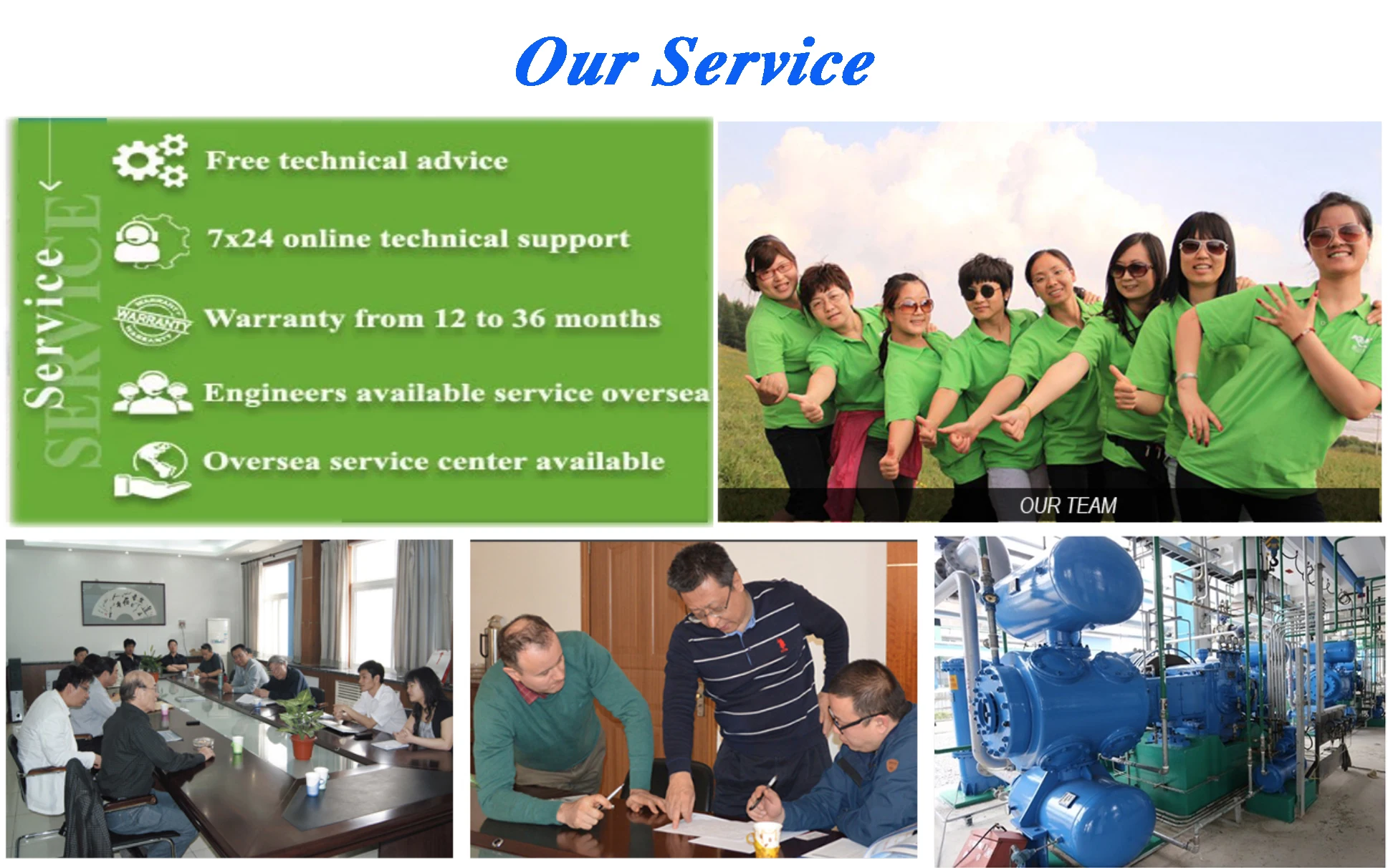
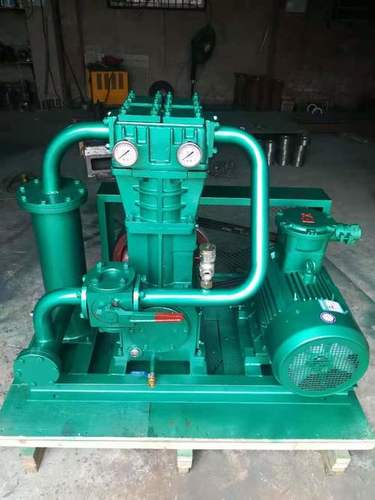
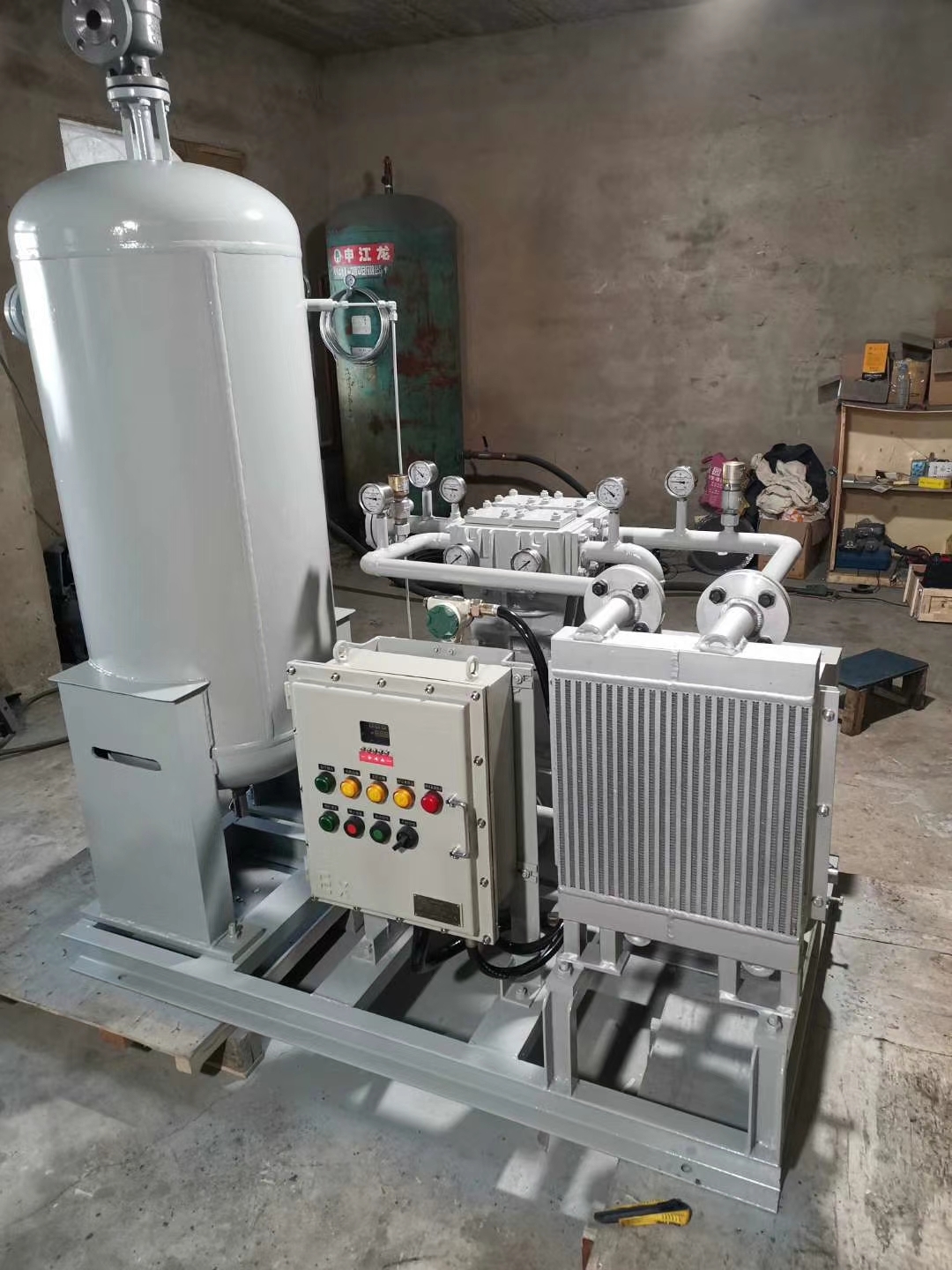
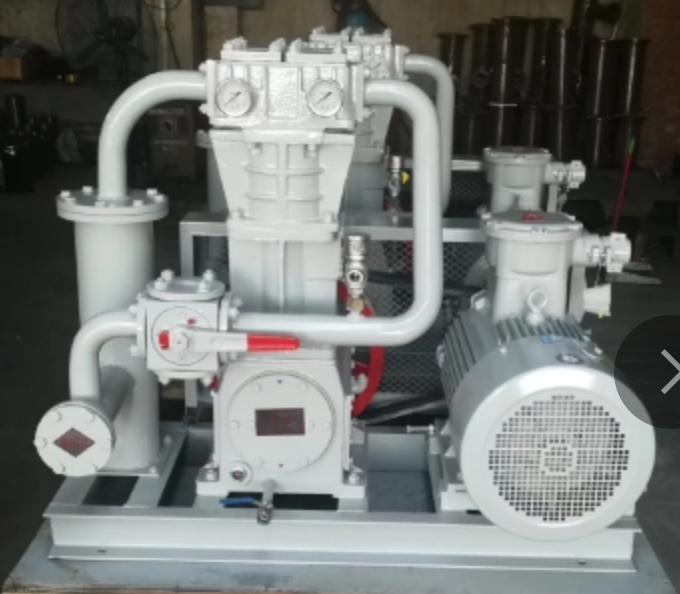
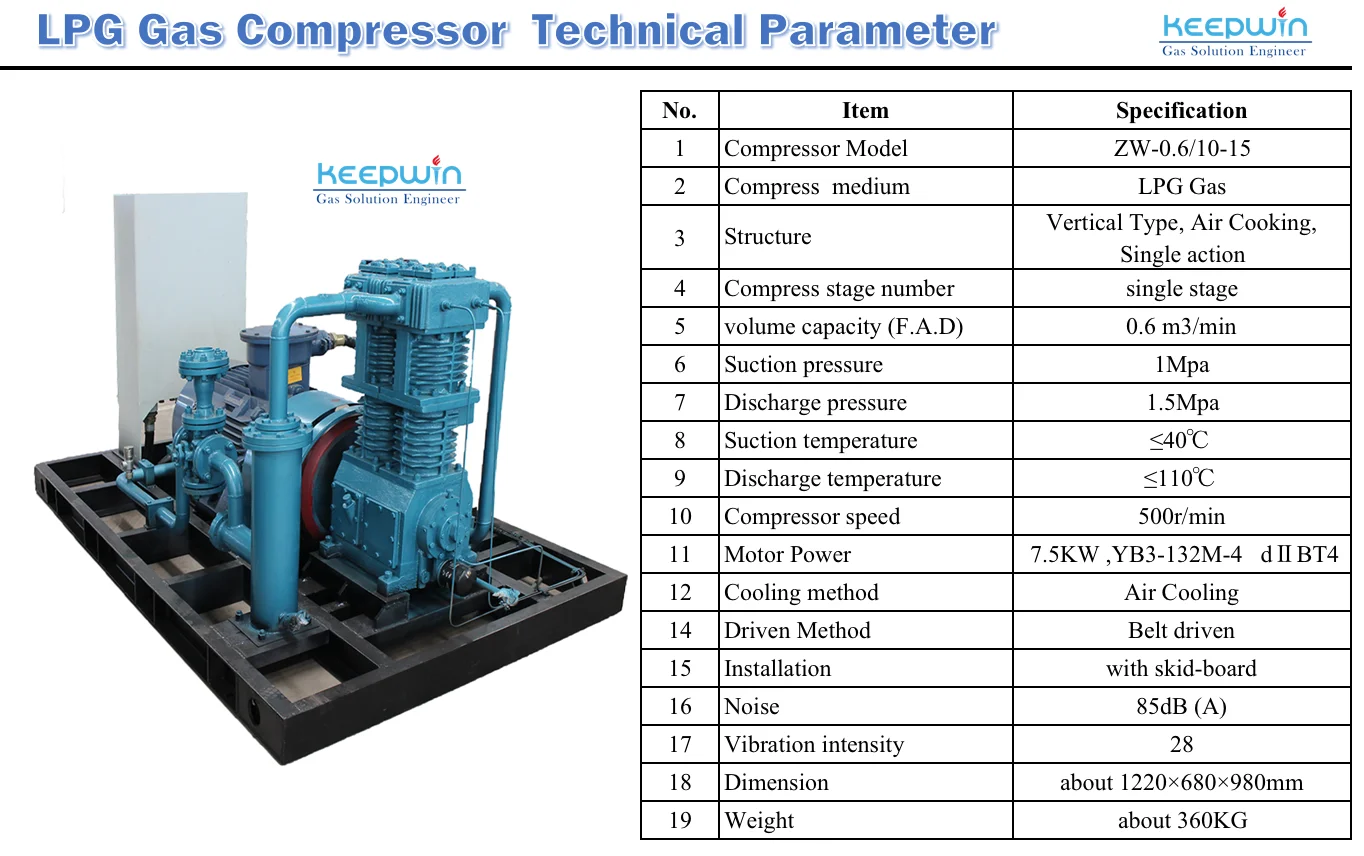
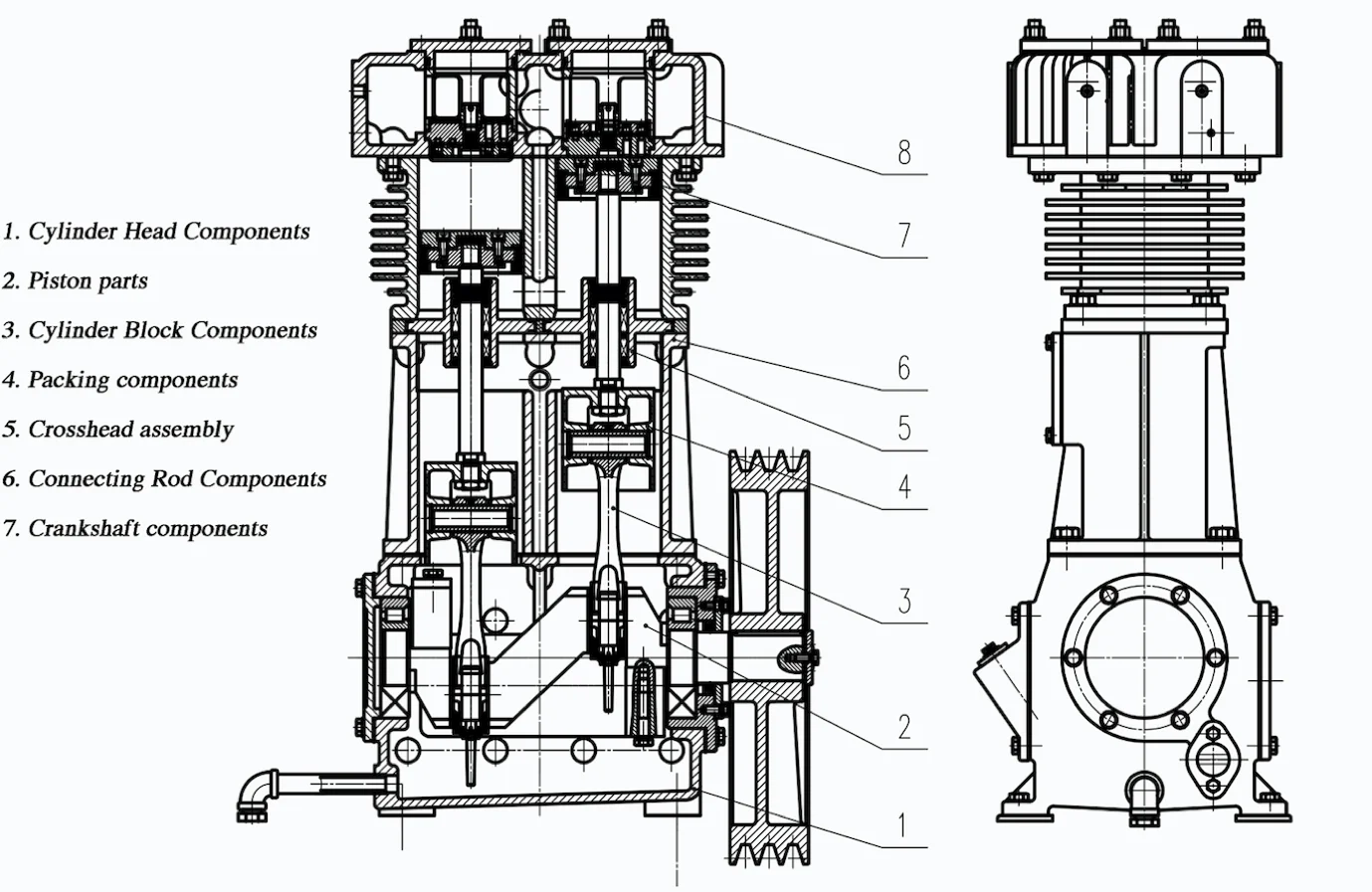
Efficient Gas and Liquid TransferThe ZW-0.8/10-15 compressor is specially crafted for transferring LPG, butane, butene, and propane, both in liquid and gas forms. Its double-stage and two-cylinder configuration optimize pressure handling, offering reliability for demanding industrial and transportation tasks.
Durability and SafetyManufactured with a cast iron body and stainless steel valves, the compressor is designed to withstand rigorous conditions. The gas-tight mechanical seal and industrial-grade filtration maintain system integrity, ensuring safety during continuous operation and minimizing leakage risks.
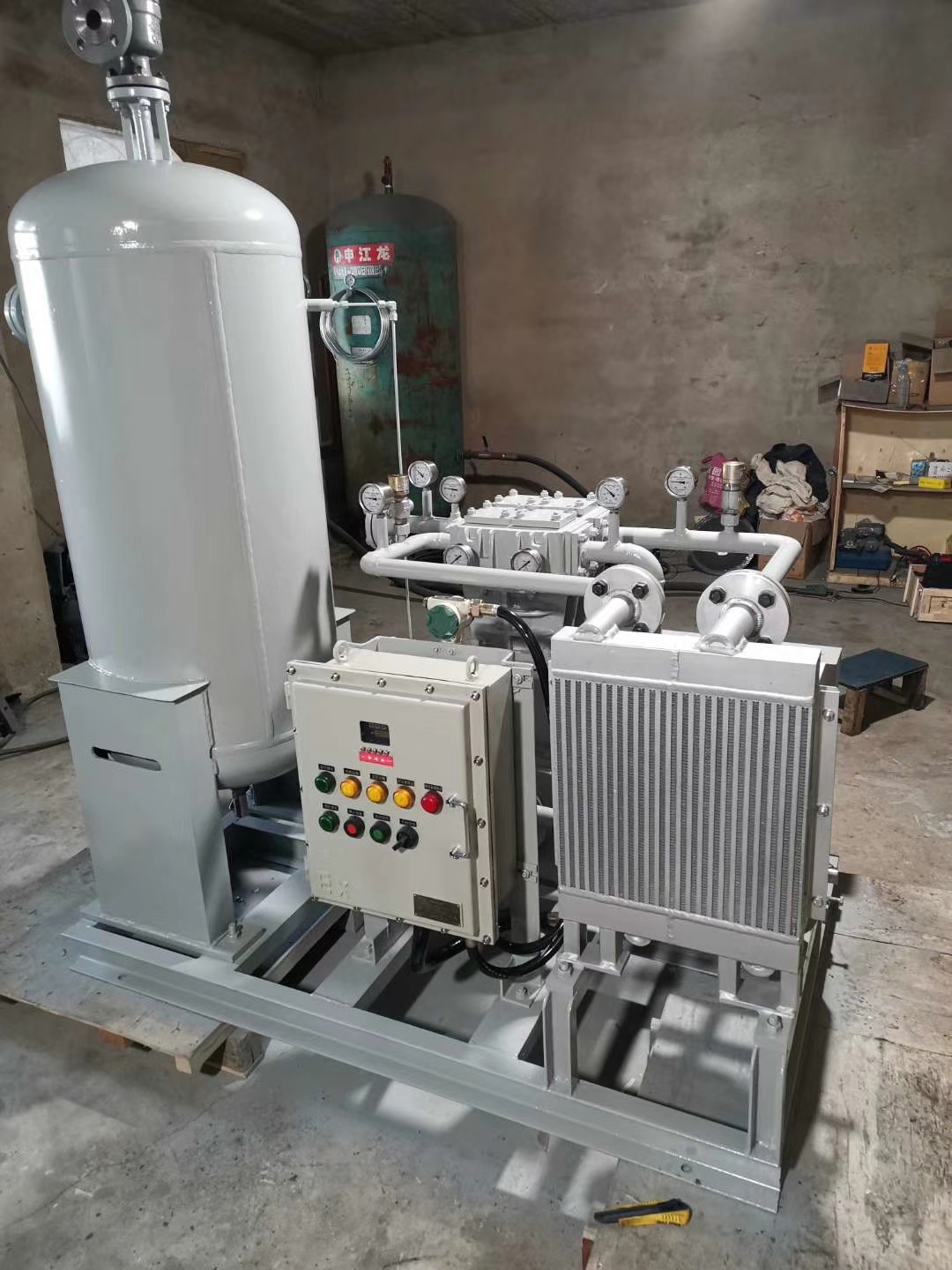
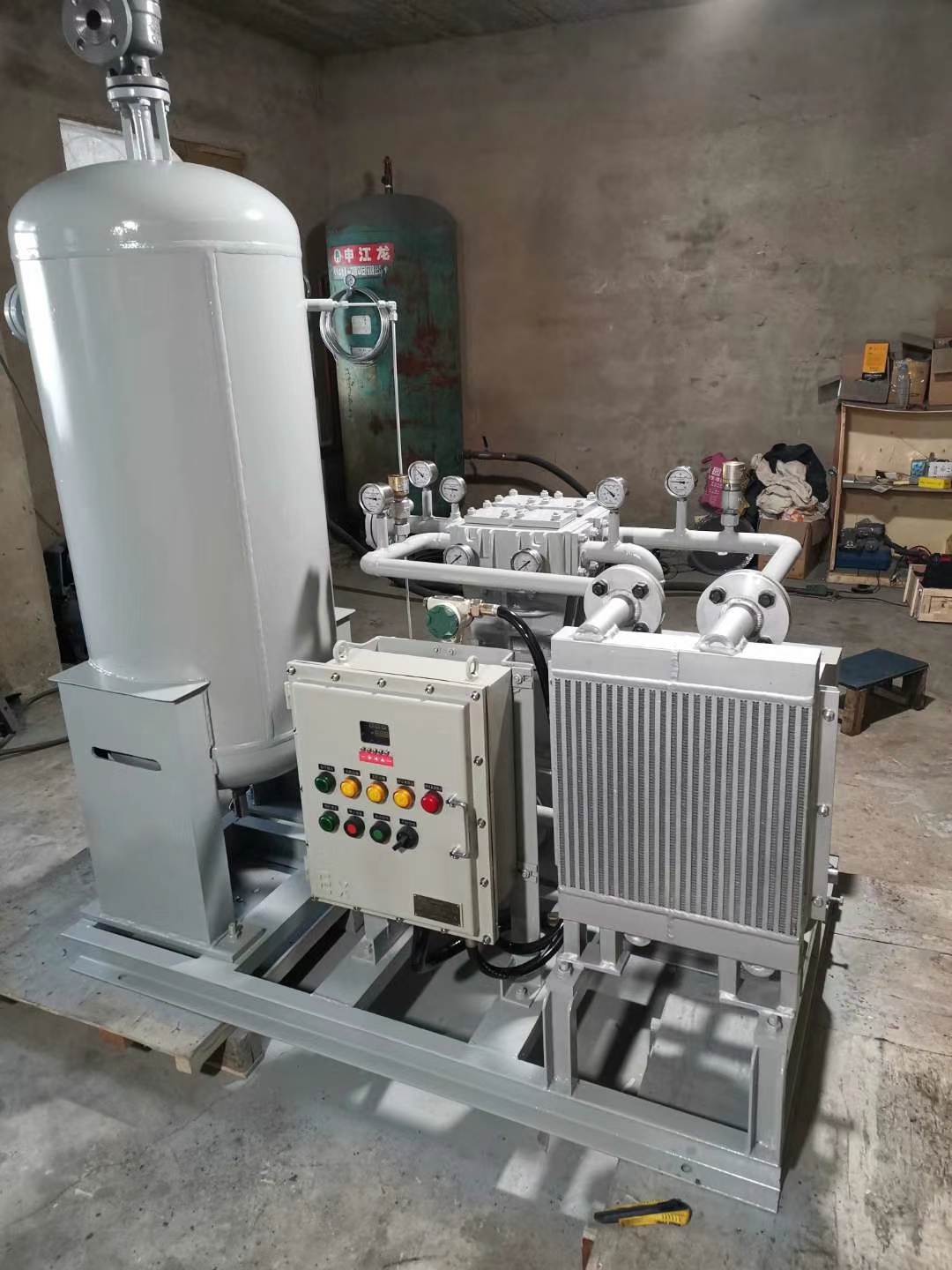
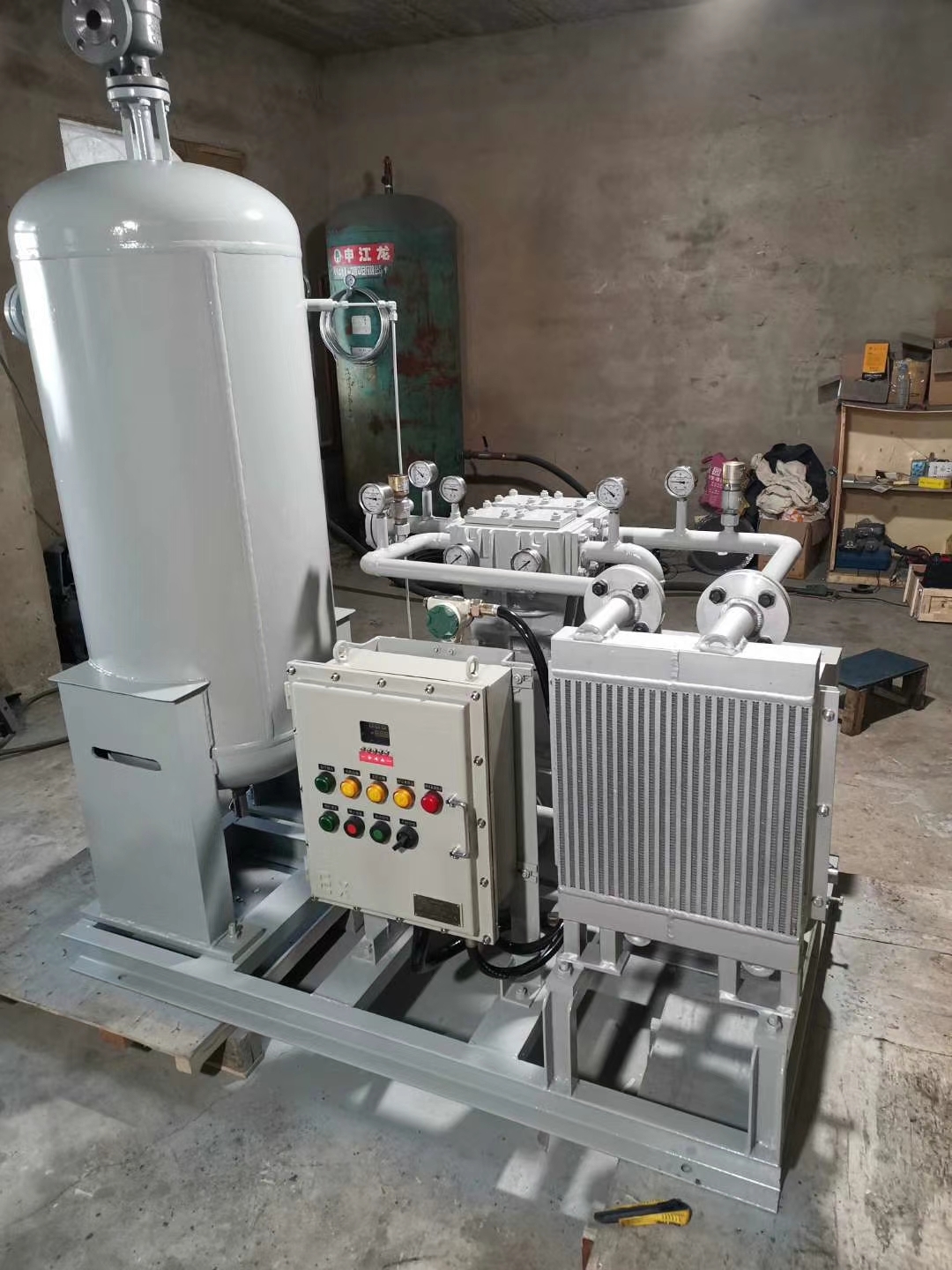
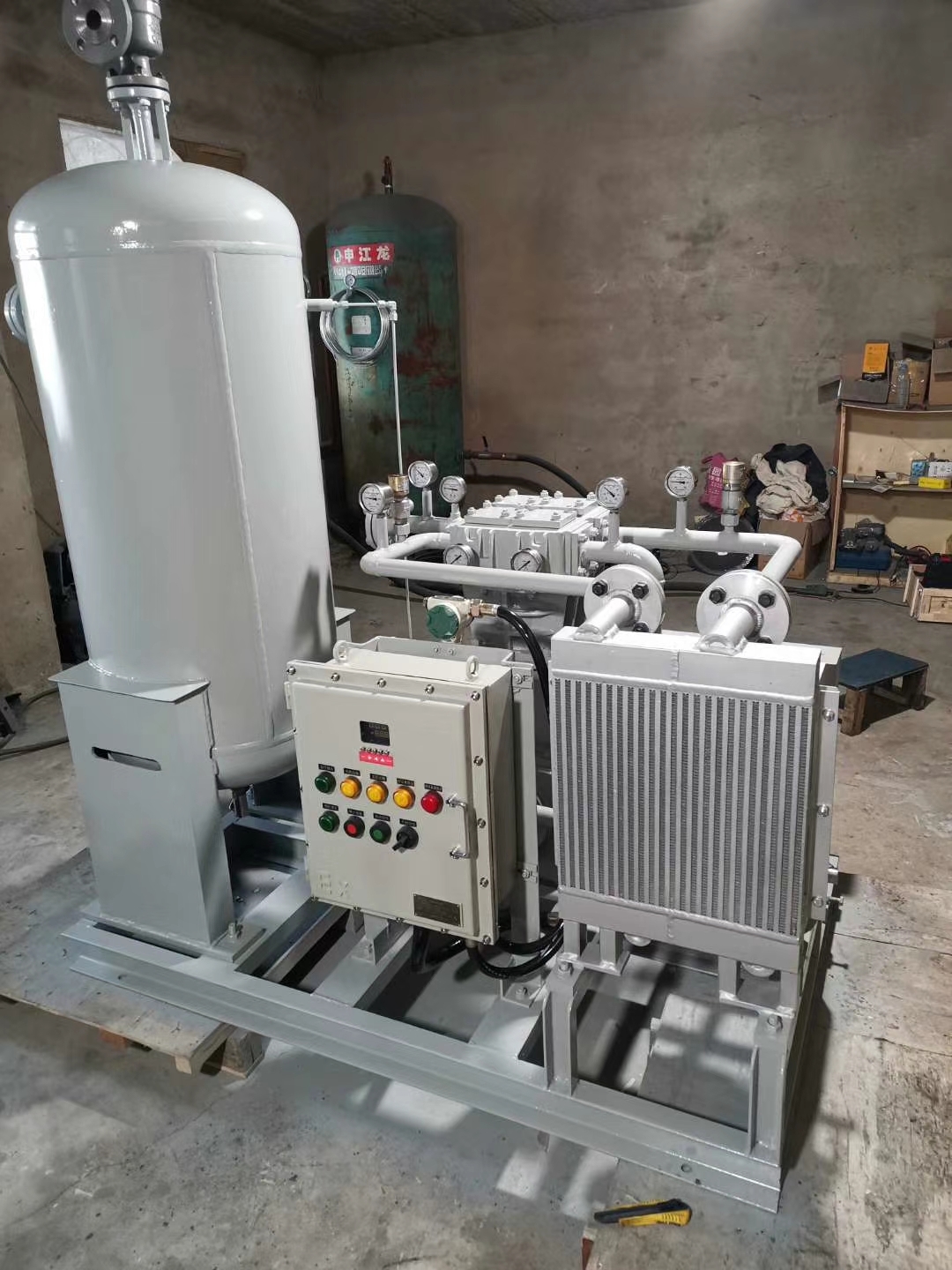
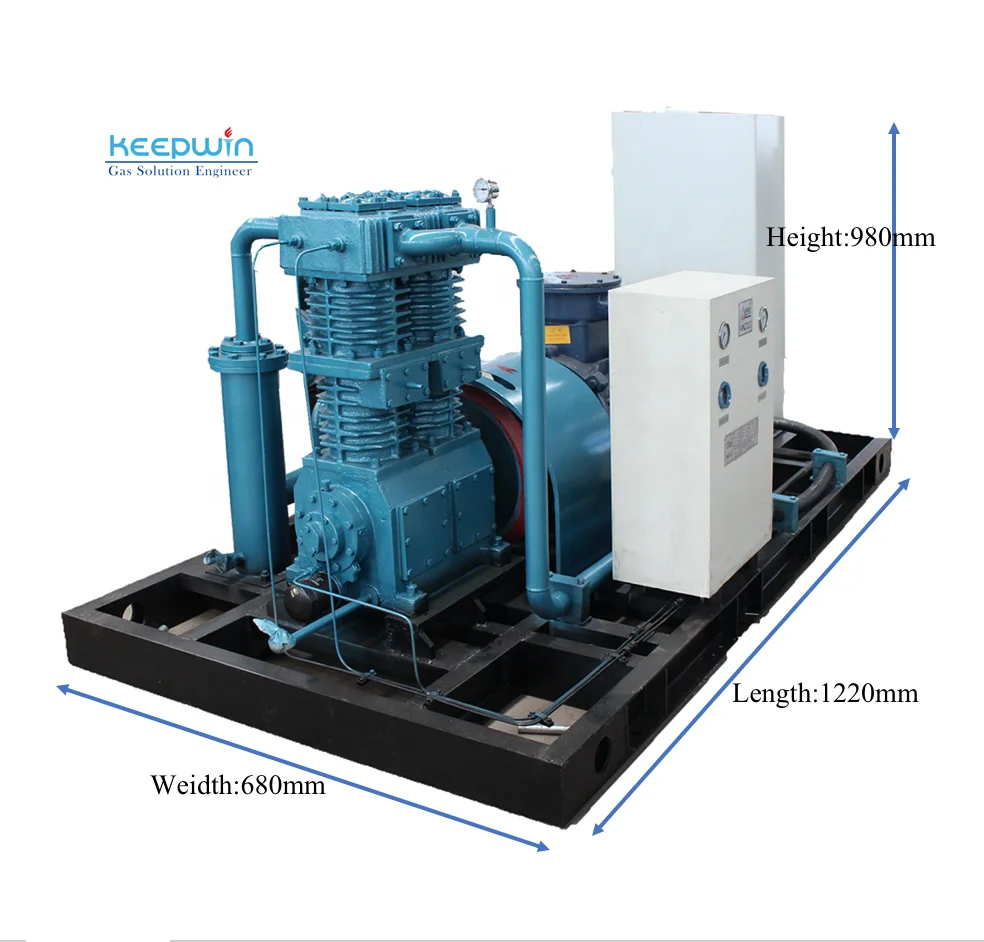
User-Friendly ControlOperators benefit from the compressor's versatile control system, which supports both automatic and manual modes. Clear inlet/outlet connections (DN20), and floor mounting allow for straightforward installation and maintenance in diverse settings.
FAQ's of ZW-0.8/10-15 Butane gas Butene Propane compressor LPG gas compressor for liquid transportation:
Q: How does the ZW-0.8/10-15 compressor facilitate safe transfer of LPG and similar gases?
A: The ZW-0.8/10-15 uses a double-stage, two-cylinder mechanism with a gas-tight mechanical seal to minimize leakage risk and ensure secure transfer of LPG, butane, butene, and propane. Its robust cast iron body and stainless steel valves further enhance operational safety.
Q: What applications are suitable for this LPG gas compressor?
A: This model is ideal for industrial settings involving the transfer, transport, or storage of LPG, butane, butene, and propane gases and liquids - such as filling stations, distribution centers, or chemical plants.
Q: When should the water-cooled feature be utilized during operation?
A: The water-cooled system should be engaged whenever the compressor is in use to manage operational temperatures, particularly during extended or high-duty cycles, preventing overheating and maintaining efficiency.
Q: Where can the ZW-0.8/10-15 compressor be installed?
A: It is designed for stationary, floor-mounted installation-often placed in compressor rooms or industrial facilities with ambient temperatures between -10C to +40C, and access to an adequate power source (380V, three-phase).
Q: What is the process for starting and controlling the compressor?
A: The compressor features an automatic/manual control system; after proper connections and cooling setup, you can choose the preferred mode-automatic for routine transfers, or manual for precise control-monitoring via provided instrumentation.
Q: How does the compressor benefit industrial liquid and gas transfer operations?
A: It offers high efficiency with a flow rate of 0.8 m3/min, consistent pressure (1.0-1.5 MPa), reliable sealing, and low maintenance requirements, resulting in optimized productivity and reduced risk for hazardous leaks.

 Send Inquiry








 Send Inquiry
 : +8613910684359

